Should You Carry A Pocket Holster? A Comprehensive Guide from Gun Parts Store
In This Article
- How Does a Pocket Holster Function?
- Compelling Advantages of Pocket Holster Carry
- Is Pocket Carry Safe? Addressing Safety Concerns
- Popular Firearms for Pocket Holster Carry
- Essential Considerations When Selecting Pocket Holsters
- Pocket Holster Maintenance and Care
- Legal Considerations for Pocket Carry
- Final Thoughts: Is Pocket Carry Right for You?
Pocket holsters represent an exceptional solution for discreetly carrying compact-framed firearms. They serve as a practical alternative to traditional waistband holster systems for numerous compelling reasons. Implementing a pocket holster dramatically broadens your concealed carry possibilities and provides unprecedented flexibility in how you protect yourself and your loved ones.The concealed carry community maintains diverse perspectives regarding pocket holsters. Some individuals harbor concerns about their safety profile, while others question their practical utility in defensive scenarios. Conversely, a substantial segment of responsible gun owners enthusiastically embrace them as their preferred carry method. At
Gun Parts Store, we're committed to furnishing you with comprehensive, unbiased information about pocket holsters, empowering you to make an educated decision about whether this carry method aligns with your lifestyle, needs, and personal defense philosophy.Pocket carry stands as one of the most time-honored methodologies for concealed firearm transportation and remains among the most straightforward approaches available to responsible gun owners. Unlike other carry systems, no dedicated gun belt is necessary; you simply insert your firearm into an appropriately designed holster, position it securely within your pocket, and you're prepared for your day. However, before we delve into the intricate details and nuanced considerations surrounding pocket holsters, let's establish a foundational understanding of their operational mechanics and design principles.
How Does a Pocket Holster Function?
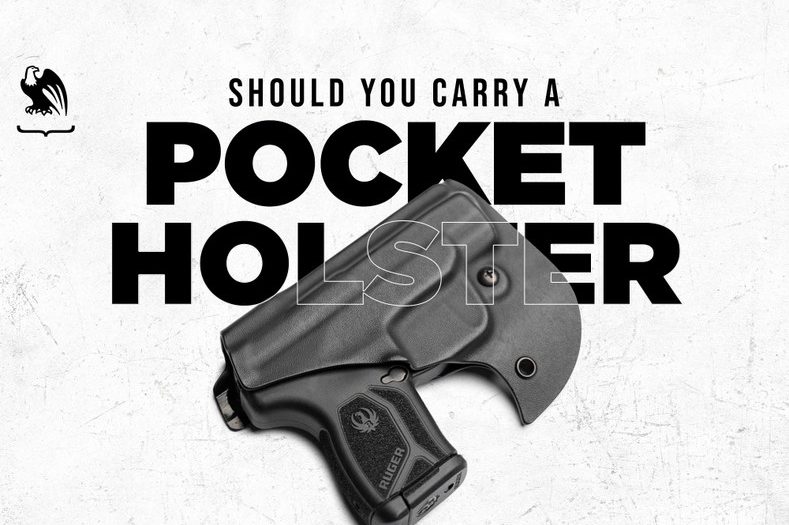
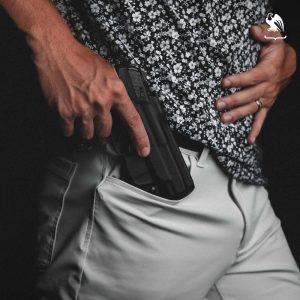
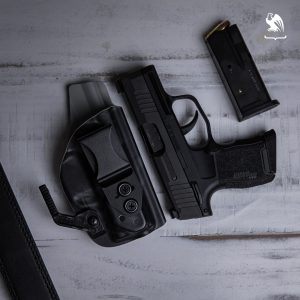
Pocket holsters leverage the natural friction and compression forces generated by your pocket fabric to maintain your holster and firearm securely positioned within your pocket while simultaneously facilitating smooth, unobstructed drawing when needed. Characteristically, these specialized holsters are engineered for use with compact-framed pistols, as these firearms offer superior concealability and generate minimal bulk within a pocket compared to their full-sized counterparts.

Should You Carry A Pocket Holster? A Comprehensive Guide from Gun Parts Store
Various manufacturers approach pocket holster design with different philosophies and engineering solutions, each bringing unique innovations to address the fundamental challenges of pocket carry. Quality pocket holsters incorporate several critical design elements that distinguish superior products from inferior alternatives. The most effective designs feature a textured or rubberized exterior surface that creates substantial friction against pocket fabric, preventing the holster from being inadvertently drawn alongside the firearm during defensive deployment.Advanced pocket holster designs incorporate specialized retention features such as integrated hooks or catches that engage the pocket edge during the drawing motion, ensuring the holster remains securely in place while the firearm is extracted smoothly. Many premium models also include reinforced trigger guard coverage that maintains its rigid structure even under compression, providing an additional safety layer by preventing any foreign objects from accessing the trigger mechanism.The interior of quality pocket holsters typically features smooth, low-friction materials that facilitate effortless firearm insertion and removal while protecting the firearm's finish from scratches and wear. Some sophisticated designs incorporate adjustable retention systems that allow users to customize the draw resistance according to their preferences and specific firearm characteristics.Beyond basic pocket carry functionality, versatile pocket holster designs often include additional mounting options such as integrated eyelets or attachment points. These features enable users to secure their holstered firearm inside purses, bags, briefcases, or vehicle compartments, dramatically expanding the holster's utility across various carry scenarios and lifestyle situations.Optional enhancements available on premium pocket holsters may include ergonomic thumb tabs that facilitate single-handed unholstering through a simple thumb press motion, curved body profiles that conform naturally to leg contours for enhanced concealment and comfort, and ambidextrous designs that accommodate both right-handed and left-handed shooters without compromise.At Gun Parts Store, we understand that pocket holsters serve a vital role in maintaining smaller-framed firearms concealed within pockets or secured within purses and bags. The most effective pocket holster designs incorporate multiple features working synergistically: friction-generating exterior surfaces that anchor the holster during drawing, specialized hooks or catches that engage pocket edges, optional eyelets for alternative mounting configurations, and available thumb tabs or anatomical curves that optimize both drawing efficiency and concealment effectiveness.
Compelling Advantages of Pocket Holster Carry
We've established the fundamental concept underlying pocket holster utility and examined its operational mechanics, but let's explore the specific, practical advantages that make pocket carry an attractive option for many responsible gun owners. Understanding these benefits will help you determine whether pocket carry aligns with your particular circumstances, lifestyle requirements, and concealed carry objectives.
Should You Carry A Pocket Holster? A Comprehensive Guide from Gun Parts Store
Wardrobe Flexibility and Comfort
The first significant advantage addresses a common practical concern that affects countless concealed carriers: wardrobe compatibility. If you prefer not to wear belts regularly, or if your clothing choices frequently lack belt loops, pocket carry offers an elegant solution. Whether wearing a belt feels uncomfortable or restrictive, or you simply don't consider it necessary for your daily attire, pocket holsters eliminate this requirement.This advantage becomes particularly relevant when wearing formal or business attire such as dresses, skirts, tailored slacks, or other garments where traditional waistband holsters prove impractical or impossible to implement effectively. A pocket holster seamlessly integrates into your front pocket, or alternatively can be secured within a purse or bag, providing consistent carry capability regardless of your clothing selections.
Professional and Formal Occasions
Another compelling scenario involves situations requiring elevated dress standards. Perhaps you're attending important business meetings, formal dinners, holiday celebrations, weddings, or other events demanding sophisticated attire. In these circumstances, compact firearms prove significantly easier to conceal effectively, and positioning them discreetly within a pocket prevents telltale printing or bulging along your waistline that might compromise concealment or create social awkwardness.Professional environments often present unique concealment challenges where traditional carry methods may prove inadequate or inappropriate. Pocket carry allows you to maintain your personal defense capabilities while presenting a polished, professional appearance that meets workplace expectations and social norms. The discrete nature of pocket carry ensures your defensive preparedness remains your private business, not a topic of office conversation or concern.For comprehensive guidance on maintaining concealed carry capability while dressed in formal or business attire, Gun Parts Store offers extensive resources addressing the nuances of professional concealed carry, including clothing selection strategies, holster positioning techniques, and movement considerations that preserve both concealment and accessibility.
Health and Physical Comfort Considerations
The final major advantage we'll examine concerns individuals facing health challenges or physical limitations. Perhaps carrying on your waistband creates discomfort due to back problems, hip issues, abdominal sensitivities, previous injuries, surgical recovery, or chronic conditions that make waistband pressure problematic or painful.Pocket holsters provide an excellent alternative that may prove substantially more suitable and comfortable for individuals dealing with these challenges. The holster rests comfortably within your pocket without applying direct pressure against your hips, lower back, or abdomen, eliminating the discomfort that waistband carry can generate for those with physical sensitivities or medical conditions.Additionally, individuals with mobility limitations may find pocket access more natural and less physically demanding than reaching behind the hip or around to the appendix position. The straightforward pocket access can be accomplished with less twisting, bending, or stretching, making it a more accessible option for those with a restricted range of motion.
Additional Practical Benefits
Beyond these primary advantages, pocket carry offers several supplementary benefits worth considering. The simplicity and speed of deployment, simply dropping a holstered firearm into your pocket, makes pocket carry one of the fastest methods for arming yourself when leaving home. There's no need for careful positioning, belt threading, or adjustment of multiple retention devices.Pocket carry also provides excellent concealment in vehicle environments where seated positions can cause waistband-carried firearms to print obviously or create uncomfortable pressure points. The pocket position remains accessible and comfortable whether standing, sitting, or driving, maintaining consistent carry comfort throughout your daily activities.Furthermore,
pocket carry offers psychological comfort for many carriers who appreciate the ability to casually rest their hand near or on their firearm in potentially threatening situations without drawing attention or appearing overtly defensive. This natural hand position allows for rapid response if necessary while maintaining a relaxed, non-threatening appearance.In summary, numerous compelling reasons support choosing pocket holster carry. While this method doesn't suit everyone's needs or preferences, many responsible gun owners find it exceptionally comfortable and a highly viable alternative when they prefer not to wear belts, when dressing for formal or professional occasions, when managing health issues or physical limitations, or when seeking maximum simplicity and concealment in their daily carry routine.
Is Pocket Carry Safe? Addressing Safety Concerns
The straightforward answer is unequivocal: when utilized properly with quality equipment, pocket holsters are absolutely safe. You may have encountered pocket holsters mentioned in discussions or online forums, and unfortunately, they're sometimes referenced in negative contexts. Some individuals question their safety profile or express concerns about their defensive viability. At
Gun Parts Store, we're committed to dispelling misconceptions and providing factual, evidence-based information about pocket holster safety.
Should You Carry A Pocket Holster? A Comprehensive Guide from Gun Parts Store
Trigger Protection: The Critical Safety Element
The paramount consideration when evaluating any pocket holster is comprehensive trigger guard coverage. A quality holster will provide complete, rigid protection for the entire trigger and trigger guard area without exception. But why does this feature carry such critical importance? With a holster that fully encapsulates and protects the trigger mechanism, you can be confident that no foreign objects, keys, coins, pens, lint, or fabric can inadvertently contact the trigger and cause an unintentional discharge.Complete trigger protection is essential for ensuring your safety and the safety of those around you while pocket carrying. The trigger guard coverage must maintain its rigid structure even under compression or when the pocket fabric bunches or folds during normal movement. Inferior holsters may feature inadequate trigger coverage or use materials that collapse under pressure, creating dangerous situations where trigger access becomes possible.When
Gun Parts Store evaluates and recommends pocket holsters, we prioritize designs that feature reinforced trigger guard protection as a non-negotiable requirement. The trigger must remain completely inaccessible throughout the entire time the firearm remains holstered, regardless of how much pressure is applied to the exterior of the pocket or holster.
Dedicated Pocket Carry: Eliminating Hazards
The second critical safety practice involves maintaining a dedicated, empty pocket exclusively for your holstered firearm. Even with exemplary trigger protection, you must ensure nothing else occupies the pocket you've designated for carry. This practice serves multiple important purposes beyond basic safety.First, eliminating other pocket contents prevents any possibility of foreign objects working their way into the holster or interfering with the trigger mechanism, providing an additional safety layer beyond the holster's built-in protection. Second, maintaining an empty pocket ensures nothing obstructs or complicates your draw stroke in the critical moment when you need to access your firearm defensively. Any obstruction—however minor—could prove catastrophic when seconds matter.Third, carrying other items alongside your holstered firearm creates significant discomfort. Imagine the awkwardness and irritation of having your keys, phone, wallet, or loose change pressing against your firearm throughout the day. Beyond mere discomfort, these items can damage your firearm's finish, create noise that compromises concealment, or shift the holster's position in ways that affect both comfort and accessibility.
Proper Holster Selection and Fit
Safety also depends heavily on selecting a pocket holster specifically designed for your particular firearm model. Generic "one-size-fits-all" pocket holsters rarely provide adequate trigger protection or proper retention for any specific firearm. At Gun Parts Store, we strongly recommend choosing holsters custom-molded or specifically designed for your exact make and model of firearm.A properly fitted holster maintains the correct orientation of your firearm within your pocket, prevents shifting or rotation that could compromise your draw stroke, and ensures the trigger guard coverage aligns precisely with your firearm's trigger mechanism. This precise fit is impossible to achieve with generic holsters that attempt to accommodate multiple firearm models with varying dimensions and trigger guard configurations.
Material Quality and Durability
The materials used in pocket holster construction directly impact safety. Quality holsters utilize durable materials that maintain their structural integrity over time, even with daily use and the constant friction generated by pocket carry. Inferior materials may degrade, crack, or lose their shape, potentially compromising trigger protection or retention characteristics.Premium pocket holsters employ materials specifically selected for their combination of rigidity in the trigger guard area, flexibility in non-critical areas for comfort, and durability to withstand the demanding environment of pocket carry. These materials must resist moisture from perspiration, maintain their properties across temperature extremes, and resist the abrasion caused by constant contact with pocket fabric.
Training and Proper Technique
Finally, safety depends on proper training and technique. Even the highest-quality pocket holster cannot compensate for unsafe handling practices or inadequate training. Responsible pocket carry requires understanding proper drawing techniques, maintaining trigger discipline, and practicing safe holstering procedures.Never attempt to re-holster your firearm while the holster remains in your pocket. Instead, remove the holster from your pocket, carefully insert the firearm into the holster while maintaining visual confirmation of proper seating and trigger coverage, and then return the holstered firearm to your pocket. This procedure eliminates any possibility of fabric or other materials being inadvertently trapped inside the trigger guard during holstering.So, returning to the fundamental question: Is pocket carry safe? Absolutely and unequivocally yes—provided you invest in a quality holster that provides complete trigger protection, maintain a dedicated empty pocket exclusively for your holstered firearm, select a holster specifically designed for your firearm model, choose quality materials that maintain their protective properties over time, and follow proper handling and training protocols consistently.
Popular Firearms for Pocket Holster Carry
We've established that pocket holsters are optimally suited for carrying compact-framed firearms, but which specific models do experienced carriers most frequently choose for pocket carry? The selection is actually more extensive than many people realize, encompassing numerous excellent options across various manufacturers. Here are some of the most popular and well-regarded firearms for pocket carry, presented in no particular ranking order, along with detailed specifications and characteristics that make them suitable for this carry method.
Sig Sauer P365: Capacity Meets Concealability
First on our list is the highly acclaimed Sig Sauer P365, a firearm that has revolutionized the micro-compact pistol category since its introduction. Sig Sauer has earned its reputation for manufacturing firearms with exceptional factory triggers and sight systems, and the P365 exemplifies these qualities perfectly. Weighing merely 17.8 ounces unloaded, this remarkably compact pistol delivers an impressive combination of concealability and capability that makes it an outstanding option for concealed carry applications.The P365 utilizes a standard 10-round magazine, though extended 12 and 15-round magazines are also available, providing exceptional ammunition capacity for such a compact platform. This capacity advantage represents one of the P365's most significant selling points, as it offers substantially more rounds than competing micro-compact pistols of similar dimensions. The firearm is available in configurations both with and without a manual thumb safety, allowing purchasers to select the option that best aligns with their training and preferences.The P365's grip texture provides secure purchase without being overly aggressive, and the sight system features high-visibility options that facilitate rapid target acquisition. The trigger, while having a somewhat long take-up characteristic of striker-fired designs, breaks cleanly with minimal overtravel and a positive reset. At Gun Parts Store, we stock a comprehensive selection of holsters, accessories, and replacement parts specifically designed for the Sig Sauer P365 platform.
Glock 43: Legendary Reliability in Compact Form
Next, we have the
Glock 43, representing
Glock's entry into the single-stack, subcompact 9mm market. This compact pistol employs a single-stack 6-round magazine that significantly contributes to its slim profile and exceptional concealability. The
Glock 43 has earned a well-deserved reputation as an extremely reliable 9mm pistol that maintains Glock's legendary durability and dependability standards while weighing only 16.23 ounces unloaded.The
Glock 43 features an aggressive grip texture that helps ensure the firearm remains controllable and comfortable for shooters with varying hand sizes. The texturing provides a secure purchase without being uncomfortably abrasive against skin or clothing. Like all Glock pistols, the 43 incorporates the company's Safe Action trigger system, which provides consistent trigger pull characteristics and multiple internal safeties that prevent discharge unless the trigger is deliberately pulled.The Glock 43's simple, robust design means fewer parts that could potentially fail, and its widespread popularity ensures that accessories, holsters, and replacement parts are readily available from numerous manufacturers. The pistol's relatively mild recoil impulse, despite its compact size, makes it suitable for extended practice sessions and helps shooters maintain accuracy during rapid-fire strings. Gun Parts Store maintains an extensive inventory of Glock 43 holsters, magazines, sights, and other accessories to support this popular platform.
Ruger LCP: Ultra-Compact Convenience
Third on our list is the Ruger LCP (Lightweight Compact Pistol), a
firearm specifically engineered for deep concealment and pocket carry applications. The Ruger LCP is an exceptionally compact, lightweight pistol featuring fixed front and rear sights that maintain a low profile to prevent snagging during the draw stroke. It incorporates a grip extension floorplate that can be easily added to the magazine, providing additional purchase for shooters with larger hands while maintaining the option for maximum concealability when desired.Weighing an incredibly light 9.6 ounces unloaded, the LCP represents one of the lightest options available for pocket carry, making it virtually unnoticeable during daily activities. The pistol utilizes a 6-round magazine chambered in .
380 ACP, a cartridge that offers a reasonable balance between manageable recoil in such a lightweight platform and adequate defensive capability.The
LCP's diminutive dimensions make it suitable for pocket carry even in relatively small pockets, and its lightweight construction means it won't cause your clothing to sag or print obviously. The pistol features a double-action-only trigger system that provides a consistent, relatively long trigger pull that serves as an additional safety mechanism, reducing the likelihood of unintentional discharge. While the trigger pull is heavier than striker-fired alternatives, this characteristic is intentional and appropriate for a pistol designed primarily for close-range defensive use.Gun Parts Store offers a complete selection of holsters specifically designed for the Ruger LCP's unique dimensions, along with accessories including extended magazines, grip enhancements, and sight upgrades that can improve the pistol's handling and accuracy characteristics.
Springfield Hellcat: Maximum Capacity in Minimal Space
Next, we have the
Springfield Hellcat, a micro-compact
pistol that has gained significant recognition for achieving the highest ammunition capacity in its size category. The Hellcat's most distinctive characteristic is its impressive magazine capacity, 11 rounds in the standard magazine or 13 rounds in the extended magazine, providing substantially more ammunition than competing micro-compact pistols of similar dimensions.The factory sight system on the Hellcat is notably superior to many competing pistols in this category, featuring a tritium front sight and tactical rack rear sight that facilitate rapid target acquisition in various lighting conditions. Overall, the Hellcat has demonstrated excellent reliability across various ammunition types and environmental conditions, building a strong reputation for dependability since its introduction.This 9mm striker-fired pistol weighs only 18.3 ounces unloaded (with the 11-round magazine), maintaining reasonable weight despite its impressive capacity. The Hellcat features an ergonomically designed grip with aggressive texturing that provides secure purchase and helps manage recoil effectively despite the pistol's compact dimensions. The grip angle and overall ergonomics make the Hellcat comfortable to handle for many shooters, including those with smaller hands who often struggle with larger pistols.The Hellcat's adaptive grip texture and overall design philosophy prioritize shootability and control, recognizing that a defensive pistol must be controllable and accurate to be effective. The trigger system provides a relatively short take-up with a clean break and positive reset, characteristics that support accurate shot placement. At Gun Parts Store, we stock a comprehensive range of Hellcat-specific holsters, magazines, and accessories to support this increasingly popular platform.
Smith & Wesson M&P Bodyguard: Proven Performance
Last on our list, but certainly not least in terms of capability or popularity, we have the Smith & Wesson M&P Bodyguard. This is a double-action-only
pistol constructed with a durable polymer frame that provides excellent durability while minimizing weight. It features adjustable sights, a relatively uncommon feature in this pistol category, that allow shooters to fine-tune their point of impact for improved accuracy.The M&P Bodyguard incorporates an ergonomically designed grip that provides comfortable handling despite the pistol's compact dimensions, and the double-action fire control system delivers consistent trigger pull characteristics that enhance safety while maintaining defensive capability. The Smith & Wesson M&P Bodyguard weighs only 12 ounces unloaded and utilizes a 6-round magazine chambered in .380 ACP.One distinctive feature of the M&P Bodyguard is the integrated laser sight available on certain models, providing an additional aiming option that can prove valuable in low-light defensive scenarios or for shooters who struggle with traditional iron sights. The laser can be activated via an ambidextrous switch positioned on the frame, allowing rapid activation without significantly altering the grip or draw stroke.The pistol's overall dimensions make it exceptionally well-suited for pocket carry, and its lightweight construction ensures it won't weigh down your clothing or create obvious printing. The double-action-only trigger system, while requiring more force to operate than striker-fired alternatives, provides an additional safety margin that many carriers appreciate for pocket carry applications.Gun Parts Store maintains an extensive inventory of holsters,
magazines, and accessories specifically designed for the
Smith & Wesson M&P Bodyguard, ensuring you can fully optimize this platform for your specific carry needs and preferences.
Additional Considerations for Firearm Selection
It's important to recognize that numerous other pistols will function perfectly well with pocket holsters, these five models represent just a sampling of the most popular options we felt were particularly worth highlighting based on their combination of reliability, concealability, and widespread user satisfaction. The optimal choice for your specific needs depends on various factors, including your hand size, shooting proficiency, clothing choices, and personal preferences regarding caliber, capacity, and operating system.If you already own a compact pistol and want to evaluate whether pocket carry might work for you, we recommend conducting a simple test: ensure your firearm is completely unloaded and safety-checked (remove the magazine, lock the slide back, visually and physically verify the chamber is empty, and verify again), then carefully place it in your pocket to assess whether it fits comfortably and conceals adequately. If your unloaded firearm fits comfortably in your pocket without creating obvious printing or discomfort, you'll have a reliable indication that a properly designed pocket holster will also fit appropriately.Remember that pocket size varies significantly across different clothing manufacturers and styles, so test this with the types of pants or jackets you typically wear. Front pockets generally work better than back pockets for accessibility and safety reasons, and deeper pockets provide better concealment and security than shallow ones.At Gun Parts Store, we're committed to helping you find the perfect firearm and holster combination for your specific carry needs. Our knowledgeable staff can provide personalized recommendations based on your individual circumstances, and our extensive inventory ensures you'll find quality options regardless of which platform you choose.
Essential Considerations When Selecting Pocket Holsters
As with any holster system and concealed carry methodology in general, dedicated practice with your drawing technique is essential. This principle applies equally, if not more critically, to pocket holsters. Drawing from a pocket holster involves distinctly different mechanics and muscle memory compared to inside-the-waistband or outside-the-waistband holster systems. Rather than lifting a shirt or jacket to access your firearm, you must reach into your pocket, establish a proper grip, and extract the firearm while ensuring the holster remains in place.The drawing motion may not necessarily require more or less time compared to other carry methods, but you must be thoroughly prepared and intimately familiar with the technique in the critical event that you need to deploy your firearm defensively. Muscle memory developed through consistent practice is essential for performing this action smoothly under the extreme stress of a defensive encounter. Gun Parts Store has published comprehensive resources addressing whether and how you should practice drawing your concealed carry weapon, including specific techniques for pocket carry that address the unique challenges of this carry method.
Drawing Speed and Technique
Some individuals mistakenly believe that drawing quickly from a pocket holster is inherently more difficult or slower than drawing from waistband carry positions, but this assumption doesn't necessarily reflect reality. The drawing motion is simply different, not inherently slower or more complicated. In fact, pocket carry offers certain tactical advantages that other carry methods cannot provide.With a pocket holster, you can casually and naturally keep your hand positioned in or near your pocket when you find yourself in situations where you perceive potential threats or feel uncomfortable about your surroundings. This natural, non-threatening hand position allows you to maintain a relaxed appearance while actually being prepared for rapid deployment if circumstances deteriorate. This capability, maintaining a grip on your firearm or positioning your hand for immediate access without appearing overtly defensive or alarming others, represents a significant tactical advantage unique to pocket carry.Additionally, pocket carry often requires less garment manipulation than waistband carry methods. While inside-the-waistband or outside-the-waistband carry typically requires lifting or sweeping aside a covering garment with your support hand before accessing the firearm, pocket carry may require minimal or no garment manipulation depending on your clothing choices. This reduced complexity can actually result in faster access in certain scenarios, particularly when wearing jackets or outerwear with easily accessible pockets.
Holster Design Features to Prioritize
When evaluating pocket holsters, several design features deserve careful consideration. First, examine the exterior surface texture. Quality pocket holsters feature a high-friction exterior, often incorporating rubberized panels, textured surfaces, or specialized materials that grip your pocket fabric effectively. This friction is essential for ensuring the holster remains in your pocket during the draw stroke rather than being extracted along with your firearm.Second, assess the trigger guard coverage carefully. The holster must completely enclose the trigger and trigger guard with rigid material that maintains its shape under compression. Press firmly on the trigger area through the holster material. If you can feel the trigger move or if the material collapses significantly, the holster does not provide adequate protection.Third, consider the overall dimensions and shape. The holster should add minimal bulk to your firearm while still providing complete coverage and protection. Some holsters incorporate curved designs that conform to your leg's natural contour, improving both comfort and concealment. Others feature extended tabs or hooks that catch on the pocket edge during drawing, facilitating holster retention.Fourth, evaluate the interior surface. The holster's interior should be smooth and low-friction to allow easy insertion and removal of your firearm while protecting the finish from scratches and wear. Some premium holsters incorporate moisture-resistant interior linings that protect your firearm from perspiration.
Pocket Selection and Clothing Considerations
Not all pockets are created equal for carry purposes. Front pants pockets typically provide the best combination of accessibility, concealment, and safety for pocket carry. They allow natural hand positioning, provide reasonable depth for concealment, and position the firearm in a location that's accessible while standing, sitting, or moving.Jacket pockets can also work well for pocket carry, particularly in cooler weather when jackets are naturally worn. However, jacket carry presents certain challenges: jackets are frequently removed indoors, requiring you to either maintain control of the jacket or transfer your firearm to another carry location. Additionally, jacket pockets may be more accessible to others in crowded environments, requiring increased awareness.Back pockets are generally unsuitable for pocket carry due to accessibility challenges, safety concerns when sitting, and the increased likelihood of printing or the firearm being noticed by others. Cargo pockets on the side of the leg can work, but often position the firearm too low for efficient access and may create obvious printing due to their external position.Pocket depth is critical; shallow pockets may not adequately conceal your holstered firearm, potentially allowing the grip to protrude visibly or creating obvious printing. Measure your typical pocket depth and compare it to your holstered firearm's dimensions before committing to pocket carry with specific clothing items.Pocket width and opening size also matter. The pocket must be wide enough to allow your hand to enter easily and establish a proper grip on your firearm without struggling or fumbling. Tight pockets that restrict hand insertion will significantly slow your draw and may prove completely impractical for defensive use.
Material and Construction Quality
The materials and construction quality of your pocket holster directly impact its longevity, reliability, and safety. Quality pocket holsters utilize materials specifically selected for their durability, moisture resistance, and ability to maintain their shape over time. Common materials include Kydex, leather, nylon, and various synthetic fabrics, each offering distinct advantages and disadvantages.Kydex pocket holsters provide excellent trigger protection, maintain their shape indefinitely, resist moisture completely, and offer consistent retention characteristics. However, they may be less comfortable than softer materials and can be more difficult to insert into tight pockets.Leather pocket holsters offer excellent comfort, a natural appearance, and can be very effective when properly designed. However, leather requires more maintenance, can absorb moisture, and may eventually lose its shape with extended use, potentially compromising trigger protection.Synthetic fabric holsters often incorporate rubberized or textured exterior panels for grip while using softer materials in non-critical areas for comfort. Quality synthetic holsters can provide excellent performance, though inferior examples may lack adequate trigger protection or durability.Regardless of material, examine the stitching, seams, and overall construction quality carefully. Loose stitching, gaps in seams, or poor-quality construction indicate a holster that may fail prematurely or provide inadequate protection.
Retention and Accessibility Balance
Pocket holsters must strike a careful balance between retention and accessibility. The holster must grip your firearm securely enough to prevent it from being dislodged during normal activity, running, or physical exertion. However, retention must not be so aggressive that drawing the firearm requires excessive force or two-handed manipulation.Test the retention by holstering your unloaded, safety-checked firearm and inverting the holster. The firearm should remain securely in place without falling free. Then practice drawing—the firearm should release smoothly with firm, deliberate pressure but without requiring excessive force or awkward manipulation.Some pocket holsters incorporate adjustable retention systems that allow you to customize the grip force according to your preferences and specific firearm. This adjustability can be valuable for achieving the optimal balance between security and accessibility.
Maintenance and Inspection
Regular inspection and maintenance of your pocket holster is essential for ensuring continued safety and performance. Periodically examine the holster for signs of wear, damage, or degradation. Pay particular attention to the trigger guard area, any cracks, deformation, or loss of rigidity in this critical area means the holster should be immediately replaced.Check the exterior surface for wear that might reduce its friction characteristics and ability to grip your pocket fabric effectively. Inspect stitching and seams for loosening or separation. Clean the holster interior periodically to remove lint, debris, and accumulated residue that might affect firearm insertion or extraction.Most importantly, never continue using a pocket holster that shows signs of structural compromise, particularly in the trigger guard area. The modest cost of replacing a worn holster is insignificant compared to the potential consequences of a negligent discharge caused by inadequate trigger protection.
Pocket Holster Maintenance and Care
Proper maintenance of your pocket holster ensures optimal performance, longevity, and most importantly, continued safety. Different holster materials require specific care approaches, but certain maintenance principles apply universally across all pocket holster types.
Regular Cleaning and Debris Removal
Pocket holsters accumulate lint, dust, fabric fibers, and other debris more rapidly than other holster types due to their constant contact with pocket fabric. This accumulation can affect both the holster's grip on your pocket and the smoothness of your firearm's insertion and extraction. Establish a regular cleaning schedule, weekly for daily carriers, or before each use for occasional carriers.For Kydex holsters, remove accumulated debris using compressed air, a soft brush, or a slightly damp cloth. Avoid using harsh chemicals or solvents that might damage the material or leave residues that could affect your firearm's finish. For leather holsters, use a soft brush to remove debris, and periodically apply leather conditioner to prevent drying and cracking. Synthetic fabric holsters can typically be cleaned with mild soap and water, then allowed to air dry completely before use.Pay particular attention to the interior of the holster where your firearm sits. Any debris in this area can scratch your firearm's finish or, more critically, interfere with proper seating or retention. The trigger guard area requires especially careful inspection to ensure no debris has accumulated that might compromise trigger protection.
Structural Integrity Inspection
Before each use, conduct a quick visual and tactile inspection of your pocket holster's structural integrity. Examine the trigger guard area carefully, pressing firmly on the material to verify it maintains its rigid structure and completely protects the trigger. Any softening, cracking, or deformation in this critical area means immediate replacement is necessary.Check all stitching and seams for loosening, separation, or fraying. Inspect any integrated hooks, tabs, or attachment points for damage or loosening. For holsters with adjustable retention, verify that adjustment screws remain tight and functional. Any structural compromise, regardless of how minor it might appear, potentially affects the holster's safety or performance and should be addressed immediately.
Storage Considerations
When not in use, store your pocket holster in a cool, dry location away from direct sunlight and extreme temperatures. Prolonged exposure to heat can cause certain materials to warp or lose their shape, while excessive cold can make some materials brittle. Avoid storing holsters in compressed or folded positions that might cause permanent deformation.If you rotate between multiple holsters or carry systems, ensure each holster is clean and inspected before returning it to service. Holsters that have been stored for extended periods should receive particularly thorough inspection before use, as materials can degrade over time even without active use.
Material-Specific Care
Kydex holsters require minimal maintenance but benefit from occasional inspection for stress cracks, particularly around screw holes or high-stress areas. If the Kydex becomes excessively dirty, it can be washed with mild soap and water, then dried thoroughly. Avoid exposing Kydex to extreme heat, as it can soften and deform.Leather holsters require more active maintenance to preserve their protective qualities and longevity. Apply leather conditioner periodically to prevent drying and cracking, but avoid over-conditioning, which can soften the leather excessively and compromise trigger guard rigidity. If a leather holster becomes wet, allow it to air dry naturally; never use direct heat, which can cause shrinkage and hardening.Synthetic fabric holsters should be inspected for fabric wear, particularly in high-friction areas. Check that any rubberized or textured panels remain securely attached and maintain their grip characteristics. Most synthetic holsters can be machine-washed on gentle cycles if they become excessively soiled, but always air dry completely before use.
Legal Considerations for Pocket Carry
Understanding the legal landscape surrounding concealed carry, and pocket carry specifically, is essential for responsible gun ownership. While Gun Parts Store provides general information, you should always consult current local, state, and federal laws, as regulations vary significantly by jurisdiction and change periodically.
Concealed Carry Permits and Licensing
Most jurisdictions require a concealed carry permit or license for carrying a concealed firearm, including pocket carry. The specific requirements, training mandates, application processes, and reciprocity agreements vary substantially between states. Some states have constitutional carry provisions that eliminate permit requirements for residents, while others maintain strict permitting systems with extensive requirements.Before carrying concealed in any jurisdiction, verify that you possess all required permits or licenses and understand any restrictions or limitations they impose. Many states restrict where concealed carry is permitted, even for license holders, prohibiting firearms in schools, government buildings, certain businesses, and other designated locations.
Method-Specific Considerations
Some jurisdictions have specific regulations regarding carry methods or holster requirements. Certain states mandate that concealed firearms be carried in holsters, while others have no such requirement. A few jurisdictions specify that holsters must provide trigger protection or meet other safety standards.Pocket carry's deep concealment characteristics generally satisfy concealed carry requirements, but you should understand how your jurisdiction defines "concealed" and ensure your carry method complies. In some locations, any visible printing or outline of a firearm may be considered inadequate concealment, while other jurisdictions apply more lenient standards.
Transportation and Storage
Legal requirements for firearm transportation and storage vary significantly. When traveling between jurisdictions, understand the laws in each location you'll pass through, not just your origin and destination. Some states require firearms to be unloaded and secured in specific ways during transportation, even for permit holders.Vehicle storage presents particular legal considerations. Some jurisdictions prohibit leaving firearms in unattended vehicles, while others require specific storage methods. Understanding these requirements helps you remain compliant and protects your firearm from theft.
Duty to Inform
Many states impose a "duty to inform" requirement, mandating that concealed carry permit holders immediately inform law enforcement officers of their armed status during any official contact. Other states have no such requirement, and a few explicitly prohibit officers from asking about concealed carry status without reasonable suspicion of criminal activity.Understanding your jurisdiction's duty to inform requirements and having a plan for how you'll communicate this information calmly and clearly during potentially stressful encounters with law enforcement is essential for your safety and legal compliance.
Use of Force Considerations
Carrying a concealed firearm imposes serious legal and ethical responsibilities regarding when and how you may legally use force. Understanding your jurisdiction's self-defense laws, including any duty to retreat requirements, castle doctrine provisions, and standards for reasonable fear of death or serious bodily injury, is essential.The decision to carry a firearm for personal protection should include serious consideration of the legal, financial, and emotional consequences of using that firearm defensively. Many carriers choose to obtain self-defense insurance or legal protection plans that provide legal representation and financial support in the aftermath of a defensive use of force.At Gun Parts Store, we strongly encourage all concealed carriers to pursue ongoing education about both the practical and legal aspects of armed self-defense. Understanding your legal obligations and limitations is just as important as developing the practical skills to carry and use your firearm safely and effectively.
Final Thoughts: Is Pocket Carry Right for You?
We've covered an extensive amount of information throughout this comprehensive guide, so let's synthesize the key points and help you determine whether pocket carry aligns with your needs, lifestyle, and concealed carry objectives.Pocket holsters excel at keeping compact-framed firearms concealed within pockets or secured within purses and bags, providing exceptional versatility and convenience. A pocket holster might be the ideal solution for you if you prefer not to wear belts regularly, frequently dress in formal or professional attire, manage health issues that make waistband carry uncomfortable, or simply value the simplicity and deep concealment that pocket carry provides.When implemented correctly with quality equipment, pocket holsters are absolutely safe. The critical requirements include investing in a quality holster that provides complete, rigid trigger protection; maintaining a dedicated, empty pocket exclusively for your holstered firearm; selecting a holster specifically designed for your particular firearm model; and following proper handling and training protocols consistently.Many
compact-framed pistols are perfectly suited for concealed carry in pocket holsters. The models we've discussed, the
Sig Sauer P365, Glock 43,
Ruger LCP,
Springfield Hellcat, and Smith & Wesson M&P Bodyguard, represent just a sampling of the excellent options available. The optimal choice depends on your individual hand size, shooting proficiency, capacity preferences, and comfort with different operating systems.Essential considerations when evaluating pocket carry include practicing your drawing technique regularly, selecting appropriate clothing with suitable pockets, maintaining your holster properly, understanding the legal requirements in your jurisdiction, and honestly assessing whether this carry method provides the accessibility and comfort you need for consistent daily carry.
Making Your Decision
Ultimately, your decision regarding how you carry comes down to what you prefer, what meets your specific needs, and what you'll actually carry consistently. The best concealed carry system is the one you'll use every day without fail, not the theoretically optimal system that you leave at home because it's uncomfortable or inconvenient.If you're still uncertain whether pocket carry is right for you, we encourage you to try it. At Gun Parts Store, we stand behind our products with a 30-day money-back guarantee. If you purchase a pocket holster and decide it simply isn't right for your needs, it can be returned for a full refund. This risk-free trial period allows you to evaluate pocket carry thoroughly in your daily life without financial commitment.
Exploring Your Options at Gun Parts Store
Want to learn more about specific pocket holster options and find the perfect solution for your firearm? Gun Parts Store offers an extensive selection of pocket holsters designed for virtually every popular compact pistol on the market. Our knowledgeable staff can provide personalized recommendations based on your specific firearm, carry preferences, and lifestyle requirements.We recommend visiting our Holsters by Gun Model page if you're looking for holsters custom-made for your specific weapon of choice. This resource allows you to quickly identify all compatible holster options for your particular firearm, ensuring proper fit, retention, and trigger protection. For comprehensive information about all our belt and holster options, and for additional resources to help you choose the carry system that works best for your unique situation, visit the Gun Parts Store website.
Beyond Holsters: Complete Carry Solutions
Looking for items beyond holsters and belts to complete your concealed carry setup? Gun Parts Store offers a comprehensive selection of related products and accessories. Check out our Resources Page for popular product categories, including weapon-mounted lights, laser aiming devices, first aid and trauma kits, firearm maintenance supplies, ammunition, magazines, sights, and much more.We understand that concealed carry involves much more than simply purchasing a holster. It requires ongoing education, regular training, quality equipment, and a commitment to safety and responsibility. Gun Parts Store is committed to supporting responsible gun owners throughout their concealed carry journey with quality products, expert advice, and educational resources.
Continuing Your Education
Concealed carry is a serious responsibility that requires ongoing education and skill development. Beyond selecting appropriate equipment, we encourage all carriers to pursue formal training from qualified instructors, practice regularly with their carry firearms and holsters, stay informed about legal developments in their jurisdictions, and continuously evaluate and refine their carry methods and defensive strategies.Gun Parts Store regularly publishes educational content addressing various aspects of concealed carry, firearm selection, holster choices, training methodologies, legal considerations, and defensive tactics. We encourage you to explore these resources and incorporate the information into your personal defense planning and preparation.
Our Commitment to You
At Gun Parts Store, we're more than just a retailer; we're fellow gun owners and concealed carriers who understand the importance of quality equipment, reliable information, and exceptional customer service. Whether you're new to concealed carry or an experienced carrier exploring different carry methods, we're here to support you with quality products, honest advice, and the resources you need to carry safely, legally, and effectively.Thank you for taking the time to read this comprehensive guide to pocket holsters. We hope the information provided helps you make an informed decision about whether pocket carry is right for you and equips you with the knowledge necessary to implement this carry method safely and effectively if you choose to do so.Remember, the decision to carry a concealed firearm is deeply personal and comes with significant responsibilities. Choose your equipment carefully, train regularly, understand your legal obligations, and never stop learning and improving your knowledge and skills. Your safety and the safety of those around you depend on your commitment to responsible gun ownership and concealed carry practices.For questions, personalized recommendations, or assistance selecting the perfect pocket holster for your needs, don't hesitate to contact the knowledgeable team at Gun Parts Store. We're here to help you find the ideal solution for your concealed carry requirements and support you throughout your journey as a responsible armed citizen.Stay safe, train regularly, and carry responsibly.