Gun Parts | Gun Parts For Sale | Parts Of A Gun

Search

Need help? SALES@GUNPARTS.US

Betify Casino – Avis & Bonus exclusif (2026)

Betify Casino - Avis & Bonus exclusif (2026)

Vous cherchez un casino en ligne sécurisé et fiable ? Vous êtes au bon endroit ! Dans cet article, nous allons vous présenter betify Casino, un site de jeu en ligne qui propose des jeux de casino, des sports et des loteries. Nous vous donnerons également un aperçu de ses avantages et de ses inconvénients.

Crée en 2020, Betify Casino est une plateforme de jeu en ligne qui a pour objectif de proposer une expérience de jeu en ligne sécurisée et amusante. Le site est conçu pour être accessible à tous, quels que soient leur niveau de jeu ou leur budget.

Le casino Betify propose une grande variété de jeux de casino, y compris des jeux de table, des machines à sous et des jeux de loterie. Vous pouvez également parier sur les sports, comme le football, le basket-ball ou le tennis.

Les avantages de Betify Casino sont nombreux. D'abord, le site est entièrement sécurisé, ce qui signifie que vos données personnelles et vos transactions sont protégées. Ensuite, le site propose des bonus réguliers, y compris des bonus de bienvenue et des bonus de reload. Vous pouvez également profiter de promotions spéciales et de récompenses pour les joueurs fidèles.

Cependant, il y a également des inconvénients à prendre en compte. D'abord, le site est disponible en français, mais il n'y a pas de version anglaise. Ensuite, les jeux de casino ne sont pas tous disponibles en mode démo, ce qui peut être un problème pour les nouveaux joueurs.

En résumé, Betify Casino est un site de jeu en ligne sécurisé et fiable qui propose une grande variété de jeux de casino et de sports. Les avantages du site, tels que les bonus réguliers et les promotions spéciales, en font un choix attractif pour les joueurs. Cependant, il est important de prendre en compte les inconvénients, tels que la disponibilité en français uniquement et la limitation des jeux de casino en mode démo.

Si vous cherchez un site de jeu en ligne sécurisé et fiable, vous pouvez essayer Betify Casino. Vous pouvez bénéficier d'un bonus de bienvenue de 100€ et de 100 tours gratuits sur le jeu Book of Dead.

Vous pouvez également contacter le support client pour obtenir plus d'informations sur le site et ses offres.

En résumé, Betify Casino est un site de jeu en ligne sécurisé et fiable qui propose une grande variété de jeux de casino et de sports. Les avantages du site, tels que les bonus réguliers et les promotions spéciales, en font un choix attractif pour les joueurs.

Présentation du casino Betify

Le casino Betify est une plateforme de jeu en ligne qui offre une expérience de jeu unique et sécurisée. Grâce à son application mobile, vous pouvez jouer partout et à tout moment, où que vous soyez dans le monde.

Les avantages du casino Betify

Le casino Betify offre de nombreux avantages à ses joueurs, notamment :

Avantages Description
Bonus exclusif Obtenez un bonus exclusif en vous inscrivant sur le site du casino Betify Connexion rapide Connectez-vous rapidement à votre compte et commencez à jouer Choix de jeux variés Choisissez parmi une variété de jeux de casino, de sports et de loterie Support client 24/7 Obtenez une assistance en temps réel pour vos besoins

Le casino Betify est également disponible en France, où vous pouvez jouer à des jeux de casino, des sports et de loterie. Vous pouvez également utiliser votre application mobile pour jouer partout et à tout moment.

En résumé, le casino Betify est une plateforme de jeu en ligne qui offre une expérience de jeu unique et sécurisée, avec des avantages tels que des bonus exclusifs, des connexions rapides, des choix de jeux variés et un support client 24/7.

Avantages et Inconvénients

Le Betify Casino est une plateforme de jeu en ligne qui offre une expérience de jeu unique et variée. Voici quelques-uns des avantages et inconvénients que nous avons identifiés :

  • Avantages :
    • Une grande variété de jeux de casino, y compris des jeux de table, des machines à sous et des jeux de loterie.
    • Une plateforme de jeu sécurisée et fiable, avec une certification SSL pour protéger vos données.
    • Un système de paiement rapide et facile, avec des options de paiement variées, telles que les cartes de crédit, les transferts bancaires et les cryptomonnaies.
    • Un service client très réactif et disponible 24/7 pour répondre à vos questions et résoudre vos problèmes.
  • Inconvénients :
    • La plateforme peut être difficile à utiliser pour les débutants, en raison de la grande quantité d'informations et de fonctionnalités disponibles.
    • Les limites de mise et de gain peuvent être restrictives pour certains joueurs.
    • La plateforme peut être inaccessible en raison de problèmes techniques ou de maintenance.

En résumé, le Betify Casino est une plateforme de jeu en ligne qui offre une expérience de jeu unique et variée, mais il est important de prendre en compte les inconvénients potentiels, tels que la complexité de l'interface et les limites de mise et de gain.

Il est important de noter que les avantages et inconvénients peuvent varier en fonction de vos besoins et de vos préférences personnelles. Il est donc recommandé de vous familiariser avec la plateforme et de lire les conditions générales avant de commencer à jouer.

En outre, il est important de vérifier les bonus et les promotions offerts par le Betify Casino, tels que le bonus de bienvenue et les promotions spéciales pour les joueurs réguliers.

En résumé, le Betify Casino est une plateforme de jeu en ligne qui offre une expérience de jeu unique et variée, mais il est important de prendre en compte les inconvénients potentiels et de vérifier les bonus et les promotions offerts.

Bonus de bienvenue : Comment fonctionne-t-il ?

Le bonus de bienvenue est l'un des avantages les plus populaires offerts par les casinos en ligne. Il s'agit d'une récompense financière que vous pouvez obtenir en créant un compte et en effectuant votre premier dépôt. Mais comment fonctionne-t-il ?

Le bonus de bienvenue est généralement attribué en pourcentage du montant du dépôt initial. Par exemple, si vous déposez 100€, vous pouvez obtenir un bonus de 50€. Cela signifie que vous aurez 150€ à votre disposition pour jouer. Cependant, il est important de noter que les conditions de jeu et les exigences de mise en jeu sont souvent associées à ce type de bonus.

Il est donc essentiel de bien comprendre les conditions du bonus avant de l'accepter. Vous devrez généralement jouer un certain montant pour pouvoir retirer vos gains. Cela peut prendre du temps et nécessiter une certaine quantité de jeu. Il est donc important de bien évaluer vos chances de gagner avant de accepter ce type de bonus.

Il est également important de noter que les casinos en ligne ont des règles spécifiques pour les bonus de bienvenue. Il est donc important de vérifier les conditions du bonus avant de l'accepter. Vous pouvez également demander à l'assistance du casino si vous avez des questions sur les conditions du bonus.

En résumé, le bonus de bienvenue est un avantage populaire offert par les casinos en ligne. Il est important de bien comprendre les conditions du bonus avant de l'accepter et de vérifier les règles spécifiques du casino en ligne.

Si vous êtes prêt à commencer à jouer, vous pouvez créer un compte sur Betify Casino et bénéficier d'un bonus de bienvenue exclusif. N'hésitez pas à nous contacter si vous avez des questions sur les conditions du bonus ou sur les règles du casino.

Bonus de bienvenue : 100€ + 100 tours gratuits

Bonus de bienvenue disponible pour les nouveaux joueurs

Créez votre compte sur Betify Casino et bénéficiez d'un bonus de bienvenue exclusif. N'hésitez pas à nous contacter si vous avez des questions sur les conditions du bonus ou sur les règles du casino.

Jeux et logiciels

Le Betify Casino est une plateforme de jeu en ligne qui propose une variété de jeux de casino, de paris sportifs et de loteries. Pour commencer, il est important de noter que le Betify Casino est disponible en France et dans de nombreux autres pays.

Les jeux de casino sont une partie intégrante de l'offre du Betify Casino. Vous pouvez y trouver des jeux de table, des machines à sous, des jeux de cartes et bien plus encore. Les jeux sont fournis par des fournisseurs de jeu de renommée mondiale, tels que NetEnt, Microgaming et Evolution Gaming.

Le Betify Casino propose également des paris sportifs, ce qui signifie que vous pouvez parier sur vos équipes préférées de football, de basket-ball, de tennis et bien plus encore. Les paris sont fournis par la société de paris sportifs Betify Paris Sportif.

En outre, le Betify Casino offre des bonus et des promotions régulières pour encourager les nouveaux joueurs à s'inscrire et les joueurs existants à continuer à jouer. Les bonus peuvent prendre la forme de mises à disposition de fonds, de bonus de bienvenue ou de bonus de reload.

Enfin, le Betify Casino est accessible à partir de votre ordinateur ou de votre appareil mobile, grâce à son application mobile Betify. Vous pouvez ainsi jouer partout et à tout moment, où que vous soyez.

En résumé, le Betify Casino est une plateforme de jeu en ligne qui offre une variété de jeux de casino, de paris sportifs et de loteries, ainsi que des bonus et des promotions régulières. Il est disponible en France et dans de nombreux autres pays, et peut être accédé à partir de votre ordinateur ou de votre appareil mobile.

Plateforme de jeu

La plateforme de jeu Betify Casino est conçue pour offrir une expérience de jeu en ligne exceptionnelle. Grâce à son application mobile et à son site web, vous pouvez accéder à une grande variété de jeux de casino, y compris des jeux de table, des machines à sous et des jeux de loterie. La plateforme est disponible en français et en anglais, ce qui en fait un choix idéal pour les joueurs francophones.

La plateforme de jeu Betify Casino est également équipée d'une fonctionnalité de connexion rapide, ce qui vous permet de vous connecter à votre compte en quelques secondes. Vous pouvez également utiliser votre compte pour gérer vos dépôts et vos retirer, ainsi que pour consulter vos historiques de jeu. La plateforme est également sécurisée par un système de cryptage SSL, ce qui garantit la confidentialité de vos données.

En outre, la plateforme de jeu Betify Casino offre des bonus exclusifs à ses joueurs, y compris des bonus de bienvenue et des bonus de reload. Vous pouvez également profiter de promotions spéciales et de lotteries pour gagner des prix et des récompenses. La plateforme est également disponible sur les réseaux sociaux, ce qui vous permet de rester en contact avec les autres joueurs et de partager vos expériences de jeu.

Spanish Casino Online: guía completa para jugadores argentinos

Spanish Casino Online: guía completa para jugadores argentinos

Guía práctica de Spanish Casino Online para jugadores argentinos

¿Qué es un Spanish Casino Online y por qué elegirlo?

Un spanish casino online es una plataforma de juegos de azar que opera en español y está adaptada a la legislación y preferencias de jugadores de habla hispana. En Argentina, la mayoría de los sitios que se promocionan bajo este nombre cuentan con licencia de autoridades internacionales y ofrecen soporte local, lo que simplifica la comunicación y la resolución de dudas.

Elegir un casino que hable tu idioma tiene ventajas reales: los términos y condiciones se leen sin traducciones forzadas, los bonos se explican con ejemplos claros y, sobre todo, el servicio de atención al cliente entiende los matices del mercado argentino, como las preferencias por pagos en pesos y la disponibilidad de métodos locales.

Registro paso a paso y verificación de identidad (KYC)

Crear una cuenta en un spanish casino online es un proceso que suele durar entre 2 y 5 minutos. Primero, ingresa tu correo electrónico, elige una contraseña segura y completa los datos básicos: nombre, fecha de nacimiento y número de documento.

Una vez creada la cuenta, la mayoría de los operadores solicitan una verificación de identidad (KYC) antes de permitir retiros. Esto evita fraudes y protege tu dinero. El proceso suele incluir subir una foto de tu DNI o documento nacional, una selfie y, en algunos casos, un comprobante de domicilio.

Documentación requerida

  • DNI o documento nacional vigente.
  • Selfie con el documento en mano.
  • Comprobante de domicilio (factura de servicios o extracto bancario).
  • En caso de usar tarjeta de crédito, una foto de la parte frontal del plástico.

Bonos de bienvenida y requisitos de apuesta (wagering requirements)

Los bonos son el imán principal para los nuevos jugadores, pero la clave está en entender los wagering requirements que acompañan cada oferta. Un requisito típico puede ser 30x el monto del bono, lo que significa que deberás apostar 30 veces esa suma antes de poder retirar cualquier ganancia.

Aquí tienes una tabla comparativa de los bonos más habituales en los principales spanish casino online dirigidos a argentinos. Observá que no solo importa el porcentaje de match, sino también el límite máximo y los requisitos de apuesta.

Casino Match Bonus Máx. Bonus (ARS) Wagering (x) Juegos válidos
Casino Sol 100% en el primer depósito 30.000 30x Slots, video poker
Lucky Star 150% + 50 tiradas gratis 25.000 35x Slots exclusivamente
Reyes del Sur 200% en el primer depósito 40.000 40x Todos los juegos, excluyendo apuestas deportivas

Consejo práctico: si buscás retirar rápido, preferí bonos con requisitos menores a 35x y limitá la cantidad de tiradas gratis que, aunque atractivas, pueden inflar el wagering total.

Métodos de pago disponibles en Argentina

Los spanish casino online que operan en nuestro país suelen aceptar una gama de métodos adaptados a los usuarios locales. La diversidad permite que tanto los que prefieren tarjetas tradicionales como los que usan monederos electrónicos puedan depositar y retirar sin problemas.

Algunos casinos incluso ofrecen la opción de pagar con efectivo a través de redes de puntos de venta, lo que es útil para quienes no disponen de tarjeta de crédito.

Opciones de depósito

  • Visa / Mastercard
  • Mercado Pago
  • Transferencia bancaria (CBU)
  • Pagofácil y Rapipago
  • Monederos electrónicos: Skrill, Neteller

Opciones de retiro

  • Transferencia bancaria (plazo 24‑48 h)
  • E-Wallets (Skrill, Neteller, pago instantáneo)
  • Tarjetas de débito (reembolso directo)
  • Pagos en efectivo vía puntos de venta (hasta 24 h)

Velocidad de retiros y políticas de retiro

Uno de los factores decisivos al elegir un casino es la rapidez con la que podés recibir tus ganancias. Los operadores que ofrecen instant payouts suelen limitar el monto máximo por transacción, pero compensan con la inmediatez.

Revisá siempre la política de retiro antes de jugar: algunos sitios requieren que completes el proceso de verificación antes del primer retiro, mientras que otros permiten retirar una vez alcanzado un umbral de 5.000 ARS.

Plazos típicos de retiro

  • Transferencia bancaria: 24‑48 h
  • E‑Wallet (Skrill, Neteller): 5‑15 min
  • Tarjeta de débito: 1‑2 días hábiles
  • Puntos de venta (Pagofácil): 24 h

Experiencia móvil y apps de casino

La mayoría de los spanish casino online actuales cuentan con versiones responsivas que se adaptan a smartphones y tablets. Si sos de los que prefieren jugar desde el móvil, buscá aquellos que ofrecen una app dedicada para iOS y Android; suele traducirse en tiempos de carga menores y notificaciones de promociones en tiempo real.

Además, la experiencia móvil incluye acceso a live casino en tiempo real, donde podés interactuar con crupieres reales sin descargar software adicional. Esto es ideal para jugadores que valoran la inmersión pero no quieren atarse a la pantalla del ordenador.

Seguridad, licencias y juego responsable

Antes de depositar, verificá siempre que el casino posea una licencia válida de autoridades reconocidas, como la Malta Gaming Authority (MGA) o la UK Gambling Commission. Estas licencias garantizan que el sitio cumple con normas de juego limpio, auditorías de RTP y protección de datos.

El juego responsable es parte esencial del ecosistema. Los mejores operadores incluyen herramientas como límites de depósito, autoexclusión y enlaces a organizaciones de apoyo en Argentina (por ejemplo, Fundación Juega Responsable). Usá esas funciones si sentís que el juego empieza a afectar tu vida diaria.

Soporte al cliente y atención 24/7

Un buen customer support puede marcar la diferencia cuando surge un inconveniente con un depósito o un retiro. Los casinos orientados al mercado argentino ofrecen canales de atención vía chat en vivo, correo electrónico y, en algunos casos, WhatsApp.

Probá el tiempo de respuesta antes de comprometerte: enviá una consulta rápida y medí cuánto tardan en contestar. Un soporte ágil y amigable es señal de una gestión seria y confiable.

Preguntas frecuentes rápidas

  • ¿Puedo jugar sin descargar nada? Sí, la mayoría de los spanish casino online funcionan directamente en el navegador.
  • ¿Qué pasa si olvido mi contraseña? Usá la opción “Recuperar contraseña” y seguí el enlace enviado a tu email.
  • ¿Hay bonos sin requisitos de apuesta? Rara vez, pero algunos casinos ofrecen “cashback” sin wagering.
  • ¿Puedo jugar en mi tablet? Claro, los sitios responsivos se adaptan a cualquier dispositivo.
  • ¿Cómo sé si el casino es seguro? Verificá la licencia, revisá reseñas y asegurate de que usa encriptación SSL.

Conclusión y próximo paso

Ahora que tenés una visión completa de lo que implica jugar en un spanish casino online desde Argentina, el siguiente paso es elegir la opción que mejor se alinee con tus prioridades: bonificaciones generosas, retiros rápidos o una app móvil fluida.

Si buscás la combinación ideal de todo lo anterior, te recomendamos visitar el mejor casino y comparar sus ofertas con la tabla de bonos que incluimos más arriba.

Spanish haz clic aquí: guía práctica para casinos online en Argentina

Spanish haz clic aquí: guía práctica para casinos online en Argentina

Guía práctica: spanish haz clic aquí en los casinos online de Argentina

¿Qué significa “haz clic aquí” en el mundo de los casinos online?

En la mayoría de los sitios de juego, la frase “haz clic aquí” es más que un simple llamado a la acción. Sirve como puerta de entrada a ofertas, términos y condiciones, o al proceso de registro. Los argentinos que buscan un casino seguro suelen prestar atención a dónde los lleva ese enlace, porque allí pueden encontrar la información que decide si se quedan o siguen buscando.

En la práctica, cuando ves un botón con el texto haz clic aquí, lo que ocurre es que el sitio abre una nueva página o una ventana modal con datos críticos: requisitos de apuesta, métodos de pago aceptados o la política de privacidad. Por eso, es fundamental leer antes de aceptar cualquier oferta y asegurarse de que el enlace no redirige a sitios no licenciados.

Registro paso a paso: dónde pulsar spanish haz clic aquí para crear tu cuenta

El proceso de registro suele iniciarse con un botón grande que dice “Registrate” o “Crear cuenta”. Después de completar tus datos básicos, aparecerá un mensaje que indica “para continuar, spanish haz clic aquí”. Ese enlace abre el formulario de verificación y, a veces, la página de términos y condiciones.

Es buena práctica abrir ese enlace en una nueva pestaña, leer con detenimiento y, si todo está claro, volver a la página principal y confirmar. Así evitas sorpresas como requisitos de apuesta ocultos o límites de depósito que pueden afectar tu experiencia de juego.

Bonos de bienvenida: cómo interpretar los “haz clic aquí” de los términos

Los bonos de bienvenida son la principal razón por la que muchos jugadores argentinos eligen un casino. Pero cada oferta viene con sus propias condiciones: requisitos de apuesta, límite de tiempo y juegos válidos. Normalmente, el texto “haz clic aquí” te lleva a la tabla de requisitos donde se explica todo en detalle.

Antes de aceptar, verifica que el requisito de apuesta sea razonable (por ejemplo, 30x el bono) y que el plazo de validez sea suficiente para jugar sin presión. Si el enlace lleva a una página con lenguaje confuso, es señal de que quizás el casino no sea tan transparente.

Métodos de pago y velocidad de retiros: usa haz clic aquí para conocer tus opciones

Los jugadores argentinos prefieren métodos locales como tarjetas Visa/Mastercard, transferencias bancarias y billeteras electrónicas (MercadoPago, Pago Fácil). Cada método tiene su propio tiempo de procesamiento; los enlaces “haz clic aquí” suelen abrir una tabla comparativa.

A continuación, un ejemplo de tabla que puedes encontrar al pulsar esos enlaces:

Casino Método de depósito Tiempo de retiro Comisión
Casino Marbella Visa, Mastercard, MercadoPago Instantáneo a 24 h 0 % (sin cargos)
Casino Sol Transferencia bancaria, Pago Fácil 24 h a 48 h 1 % sobre el monto
Casino Estrella Billetera electrónica, Visa Instantáneo 0 % (promo de bienvenida)

Al hacer clic en los enlaces de cada casino, puedes comparar cuál método se ajusta mejor a tu ritmo y evitar demoras innecesarias.

Experiencia móvil y apps: toca haz clic aquí para jugar desde tu smartphone

La mayoría de los operadores argentinos ofrecen una app dedicada o una versión móvil optimizada. Cuando visitas la página principal, busca el botón “Descargar app” o “Jugar en móvil” y, normalmente, aparecerá un enlace que dice “haz clic aquí”. Ese enlace inicia la descarga o redirige al sitio móvil.

Una buena app debe contar con un registro rápido, acceso a bonos exclusivos y una interfaz que permita jugar al live casino sin interrupciones. Si al pulsar el enlace descubres que la app está disponible sólo en Android, verifica si hay versión iOS antes de decidir.

Seguridad y verificación: el papel del enlace haz clic aquí en el proceso KYC

Los casinos licenciados en Argentina requieren la verificación de identidad (KYC) para prevenir fraudes. Después de registrar tu cuenta, suele aparecer un mensaje del tipo “para completar tu perfil, haz clic aquí”. Ese enlace abre el formulario donde subirás tu DNI, comprobante de domicilio y, en algunos casos, una foto selfie.

Es importante que la página de carga sea segura (HTTPS) y que el casino explique claramente por qué necesita cada documento. Una vez aprobado, los tiempos de retiro suelen reducirse drásticamente, pasando de varios días a unas pocas horas.

Atención al cliente: usar haz clic aquí para contactar al soporte

Cuando surge alguna duda, la mayoría de los sitios disponen de un chat en vivo o un formulario de contacto. El enlace “haz clic aquí” en la sección de ayuda abre directamente la ventana de chat o el formulario de ticket.

Un buen soporte responde en menos de 2 minutos y está disponible en español de Argentina. Si el mensaje indica que el horario es limitado, busca siempre la opción de email como respaldo para tener registro de la conversación.

Juego responsable: cómo acceder a la autoexclusión con haz clic aquí

El juego responsable es obligatorio en todos los casinos con licencia. Si en algún momento deseas limitar tu actividad, busca el apartado “Herramientas de juego responsable” y el enlace que dice “haz clic aquí”. Allí podrás establecer límites de depósito, tiempo de juego o incluso autoexcluirte por un período determinado.

Los casinos serios procesan la autoexclusión en menos de 24 h y proporcionan un contacto directo para revocar la medida si decides volver a jugar bajo condiciones controladas.

Conclusión: la importancia de prestar atención a cada haz clic aquí

En resumen, cada vez que veas la frase “haz clic aquí” dentro de un casino online argentino, está señalando un punto crítico del proceso: registro, bonos, pagos, seguridad o soporte. Tomarte unos segundos para revisar lo que se abre puede ahorrarte tiempo, dinero y molestias.

Si buscas una experiencia fiable y bien regulada, visita casinomarbellaargentina.com y sigue los pasos descritos en esta guía. Cada clic informado te acerca a un juego más seguro y divertido.

What Is a Ghost Gun? Your Complete Guide to Privately Made Firearms

What Is a Ghost Gun? Your Complete Guide to Privately Made Firearms

What Is a Ghost Gun? Your Complete Guide to Privately Made Firearms

Table of Contents

  • What Defines a Ghost Weapon?
  • Ghost Gun Legality Across the United States
  • Can Law Enforcement Trace Ghost Guns?
  • Manufacturing Methods for Ghost Guns
  • Reliability and Longevity of 3D-Printed Firearms
  • Federal Regulations and Compliance Requirements
  • State-Level Restrictions and Variations
  • Safety Considerations for Homemade Firearms
  • Final Thoughts and Key Takeaways
Whether you're a firearms enthusiast, hobbyist gunsmith, or simply someone who follows current events and legislative developments, you've undoubtedly encountered the term "ghost gun" in recent years. This terminology has become increasingly prevalent in media coverage, political discourse, and law enforcement discussions. However, despite the dramatic nomenclature, which might conjure images of supernatural weaponry or science fiction equipment, the reality of ghost guns is far more grounded and nuanced than sensationalized headlines might suggest. So what exactly constitutes a "ghost gun," and what are the legal parameters surrounding their manufacture and ownership? Ghost guns represent a category of homemade firearms constructed by individuals rather than licensed commercial manufacturers. These weapons can be assembled through various methods: utilizing comprehensive build kits, employing 3D printing technology, or acquiring individual components separately from multiple sources. The defining characteristic that earned these firearms their evocative nickname is that they're frequently unserialized and unregistered, creating significant challenges for law enforcement agencies attempting to trace their origins, ownership history, or chain of custody (hence the designation "ghost gun"). While the construction of personal firearms is generally permissible under federal law, numerous regulations, restrictions, and compliance requirements must be meticulously observed. These legal parameters can vary substantially depending on your geographical location, the specific construction methods employed, the type of firearm being manufactured, and your individual legal status regarding firearm ownership. Throughout this comprehensive guide, we'll thoroughly examine what legally constitutes a ghost gun, explore the various manufacturing methodologies available to builders, discuss the complex legal landscape governing these weapons at both federal and state levels, address traceability concerns, and evaluate the reliability and safety considerations associated with homemade firearms. Important Legal Disclaimer: While our objective is to provide accurate, factual information based on current regulations and industry knowledge, this article serves educational and informational purposes exclusively. Gun Parts Store and the authors of this content are not legal professionals, attorneys, or authorized legal advisors. Furthermore, firearms laws are subject to frequent modifications, amendments, and reinterpretations at the federal, state, and local levels. Before undertaking any firearm construction project, you must independently research and verify all applicable federal, state, and local regulations directly through official government sources or by consulting with a qualified attorney specializing in firearms law. Compliance with all applicable laws is solely your responsibility, and failure to do so can result in severe criminal penalties, including substantial fines and imprisonment.

What Defines a Ghost Weapon?

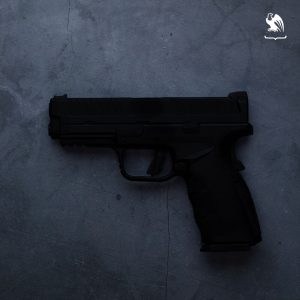
In straightforward terms, ghost guns, officially classified as "privately made firearms (PMFs)" by the Bureau of Alcohol, Tobacco, Firearms, and Explosives (ATF), are firearms manufactured by any individual or entity other than a federally licensed weapons manufacturer. The colloquial term "ghost guns" emerged because these firearms have historically not been required to bear serial numbers or undergo registration processes, rendering them extraordinarily difficult for law enforcement agencies to track through traditional investigative methods.
What Is a Ghost Gun? Your Complete Guide to Privately Made Firearms

What Is a Ghost Gun? Your Complete Guide to Privately Made Firearms

The ATF provides the following official definition for privately made firearms: Official Ghost Gun Definition: "Privately made firearms are firearms (including a frame or receiver) that have been completed, assembled, or otherwise produced by a person other than a licensed manufacturer. PMFs are also made without a serial number placed by a licensed manufacturer at the time the firearm was produced." This definition, while legally precise, encompasses a remarkably broad spectrum of firearms and firearm components, particularly when addressing the technical and legal question of what precisely constitutes a "firearm" under federal law. To provide greater clarity and establish more specific regulatory categories, the ATF has identified ten distinct classifications of privately made firearms: pistols, revolvers, rifles, shotguns, frames or receivers, machine gun conversion devices (MCDs), destructive devices, machine guns, firearm silencers, and a catch-all category designated as "all other weapons." The legality of manufacturing and possessing each of these categories varies significantly. While numerous types of privately made firearms are entirely legal to construct and own under federal law (provided all applicable regulations are followed), others are strictly prohibited without specialized federal licensing, tax stamps, or other regulatory approvals. Additionally, state and local jurisdictions frequently impose their own restrictions, prohibitions, or additional requirements that may be more stringent than federal regulations. Consequently, thorough research into the specific laws applicable to your location and circumstances is essential before commencing any firearm construction project.

Ghost Gun Legality Across the United States

Understanding the intricate legal framework governing ghost guns should be your absolute highest priority if you're contemplating building one, considering purchasing components for one, or simply wish to engage in informed, educated discussions about this controversial topic. The legal landscape is complex, multilayered, and subject to ongoing evolution through legislative action and regulatory interpretation. A common misconception, often perpetuated through incomplete media coverage or political rhetoric, is that ghost guns exist in a completely unregulated legal vacuum. This belief is fundamentally incorrect and potentially dangerous for anyone acting upon it. At the federal level, homemade firearms are indeed legal to manufacture and possess for personal use under specific circumstances. However, this general permission does not grant blanket authorization to construct any type of weapon, using any methodology, in any location throughout the country, or by any individual, regardless of their legal status. Multiple federal statutes and regulatory agencies govern firearm manufacturing broadly, including the Gun Control Act of 1968, the National Firearms Act of 1934, and the Undetectable Firearms Act of 1988. These comprehensive legislative frameworks apply equally to ghost guns and traditionally manufactured firearms. Furthermore, state-level regulations, which vary dramatically from jurisdiction to jurisdiction, may impose additional restrictions, requirements, or outright prohibitions that supersede or supplement federal law.

Federal Legal Requirements and Restrictions

So what specific activities are legally permissible, and what actions cross the line into criminal conduct? Personal Legal Eligibility: First and foremost, to lawfully manufacture a privately made firearm, you must be an individual who is legally permitted to possess firearms in the first place. Federal law prohibits certain categories of individuals from possessing firearms or ammunition under any circumstances. These prohibited persons include: convicted felons, individuals with active domestic violence restraining orders, persons convicted of misdemeanor domestic violence offenses, unlawful users of or persons addicted to controlled substances, illegal aliens and non-immigrant visa holders (with limited exceptions), fugitives from justice, individuals who have been involuntarily committed to mental institutions or adjudicated as mentally defective, persons dishonorably discharged from the armed forces, and individuals who have renounced their United States citizenship. Weapon Type Restrictions: You must also ensure that the specific type of firearm you intend to manufacture is legal to own in your jurisdiction. Certain weapon categories, including machine guns (fully automatic firearms), short-barreled rifles (rifles with barrels shorter than 16 inches or overall length less than 26 inches), short-barreled shotguns (shotguns with barrels shorter than 18 inches or overall length less than 26 inches), destructive devices (including explosive ordnance and firearms with bores exceeding .50 caliber with limited exceptions), and suppressors (silencers), are heavily regulated under the National Firearms Act. These NFA items generally require registration with the ATF, payment of a $200 tax stamp, submission of fingerprints and photographs, and approval through an extensive background check process that can take many months. Some NFA items, particularly machine guns manufactured after May 19, 1986, are completely prohibited for civilian ownership regardless of the licensing or registration process. Before undertaking any firearm construction project, you must thoroughly understand which weapons fall under NFA regulation and comply with all applicable requirements. State laws may impose even more restrictive limitations on these and other firearm types. Detectability Requirements: It's critically important to understand the legal distinction between an "untraceable" firearm (one that is unserialized and unregistered) and an "undetectable" firearm (one that does not contain sufficient metal content to be identified by standard security screening equipment). Under the Undetectable Firearms Act of 1988, undetectable firearms are strictly prohibited at the federal level. Specifically, any firearm that walk-through metal detectors cannot detect or that doesn't generate an accurate image when subjected to airport X-ray machines is illegal to manufacture, possess, transfer, or receive. This means that any homemade firearm must contain at least 3.7 ounces of steel in a configuration that accurately represents the shape of a firearm when subjected to X-ray examination. Practically speaking, this requirement means that firearms cannot be constructed entirely from plastic, polymer, or other non-metallic materials. At a minimum, metal components such as barrels, firing pins, and other structural or functional elements must be incorporated into the design. Serialization and Registration Requirements: At the federal level, current regulations do not require individuals manufacturing firearms solely for personal use to mark those firearms with serial numbers, provided the firearms are genuinely intended for personal use and not for sale or distribution. However, this exemption is narrow and specific. If you are engaged in the business of manufacturing firearms for sale or profit, even occasionally or on a small scale, you are legally required to obtain a Federal Firearms License (FFL), mark all firearms with serial numbers according to ATF specifications, maintain detailed manufacturing and disposition records, and comply with all regulations applicable to licensed manufacturers. The determination of whether someone is "engaged in the business" of manufacturing firearms is fact-specific and considers factors including the frequency of sales, the builder's representations and marketing efforts, whether the activity is undertaken for profit, and the scale of operations. Even a single sale under certain circumstances could potentially trigger licensing requirements if it demonstrates intent to engage in business activities. Buy-Build-Shoot Kit Regulations: So-called "buy-build-shoot" kits, which are pre-packaged kits containing all or substantially all of the components (including a finished frame or receiver) necessary to assemble a functional firearm, are subject to specific regulations implemented in 2022. Because finished frames and receivers are now definitively classified as "firearms" under ATF regulations, sellers of these components and kits containing these components are required to possess a Federal Firearms License, conduct background checks on purchasers through the National Instant Criminal Background Check System (NICS), mark the frames or receivers with serial numbers, and maintain permanent records of these transactions exactly as they would for any fully assembled firearm. This regulatory change significantly impacted the availability and distribution of complete firearm kits and was specifically designed to close what regulators viewed as a loophole allowing individuals to acquire what were essentially complete firearms without background checks or serialization.

State-Level Restrictions and Variations

While federal law establishes a baseline regulatory framework applicable throughout the United States, individual states possess substantial authority to enact their own firearms regulations, which may be significantly more restrictive than federal requirements. Some states have implemented comprehensive ghost gun regulations that go far beyond federal law. States with Enhanced Ghost Gun Regulations: Several states, including California, Connecticut, Delaware, Hawaii, Maryland, Nevada, New Jersey, New York, Rhode Island, Washington, and the District of Columbia, have enacted specific legislation targeting privately made firearms. These laws vary in their specific provisions but commonly include requirements such as:
  • Mandatory serialization of all privately made firearms, even those manufactured for personal use
  • Registration of homemade firearms with state law enforcement agencies
  • Background checks are required before purchasing firearm parts or build kits
  • Prohibitions on possessing unserialized firearms, even if they were legally manufactured before serialization requirements took effect
  • Enhanced penalties for crimes committed with ghost guns
  • Restrictions on 3D printing firearm components
  • Limitations on the sale or transfer of homemade firearms
Importance of Local Compliance: Regardless of federal law, you must research and comply with all state and local regulations applicable to your specific location. Laws can vary not only between states but also between counties and municipalities within the same state. Some jurisdictions that generally permit firearm ownership may have specific ordinances restricting homemade firearms or certain construction methods. The legal landscape surrounding privately made firearms continues to evolve rapidly, with new legislation regularly proposed and enacted at the state and local levels. What may be legal in your jurisdiction today could become prohibited tomorrow, making ongoing awareness of legal developments essential for anyone involved in firearm construction or ownership. Legal Responsibility and Consequences: No matter what type of weapon you're manufacturing or what construction method you're employing, it is exclusively your responsibility to verify that you are operating within the bounds of all applicable laws. Ignorance of the law is not a defense to criminal prosecution. Violations of federal firearms laws can result in severe penalties, including imprisonment for up to ten years or more for certain offenses, substantial monetary fines reaching hundreds of thousands of dollars, permanent loss of firearm ownership rights, and creation of a permanent criminal record that can impact employment, housing, professional licensing, and numerous other aspects of life. Given the complexity of firearms law and the severity of potential consequences for violations, consulting with an attorney who specializes in firearms law before undertaking any firearm construction project is strongly advisable, particularly if you have any questions about the legality of your planned activities or your eligibility to possess firearms.

Can Law Enforcement Trace Ghost Guns?

By their fundamental nature and defining characteristics, ghost guns are firearms that are unregistered, unserialized, and unmarked at the time of their initial manufacture. This lack of traditional identifying information makes them extraordinarily difficult for law enforcement agencies to trace through conventional investigative methods. However, contrary to popular belief and media portrayals, tracing these firearms is not entirely impossible under all circumstances, depending on the specific facts of each case and the investigative resources available. Historical Context and Traditional Practices: The practice of manufacturing firearms at home represents a longstanding American tradition that predates the establishment of the United States itself. For centuries, gunsmiths, hobbyists, and firearm enthusiasts have crafted custom weapons for personal use, competition shooting, hunting, collecting, and simple enjoyment of the craft. This tradition is deeply rooted in American culture and is protected, to varying degrees, by the Second Amendment to the United States Constitution. However, the "untraceable" nature of these weapons has unfortunately made them increasingly appealing to certain criminal elements seeking to avoid the background check requirements, waiting periods, and paper trails associated with purchasing firearms through licensed dealers. Criminals prohibited from legally possessing firearms due to prior convictions, active warrants, or other disqualifying factors may view ghost guns as an attractive alternative to illegal straw purchases or black market acquisitions. Rising Recovery Rates and Law Enforcement Concerns: Statistical data compiled by the ATF demonstrates that incidents of privately made firearms being recovered at crime scenes and submitted to the Bureau for tracing have increased substantially since 2017. According to official ATF reports, this upward trend reflects both an actual increase in criminal use of these weapons and enhanced awareness and reporting of ghost guns by law enforcement agencies that have been specifically trained to identify and document these firearms. The rise in ghost gun recoveries has prompted intense debate among policymakers, law enforcement officials, gun rights advocates, and gun control proponents. This debate has resulted in significant legislative and regulatory changes at both federal and state levels, with supporters of enhanced regulation arguing that increased oversight is necessary to prevent criminal access to untraceable weapons, while opponents contend that such regulations infringe upon the constitutional rights of law-abiding citizens and do little to prevent determined criminals from obtaining weapons through illegal channels. 2022 Regulatory Changes: In response to concerns about ghost gun traceability, the ATF implemented significant regulatory changes in 2022 that fundamentally altered the legal landscape for certain types of privately made firearms. Under these new regulations, finished frames and receivers are now definitively classified as "firearms" under federal law, even if they have not yet been assembled into complete, functional weapons. This classification change means that individuals and businesses selling finished frames or receivers, as well as kits containing these components, are now required to possess Federal Firearms Licenses, mark these components with serial numbers according to ATF specifications, conduct background checks on all purchasers, and maintain permanent acquisition and disposition records. These requirements were specifically designed to create a paper trail that would enable law enforcement to trace firearms even when they were assembled from kits or purchased components. Alternative Manufacturing Methods: Despite these regulatory changes, alternative methods for manufacturing ghost guns that do not require the purchase of finished frames or receivers continue to exist. Builders can still purchase unfinished frames or receivers (commonly known as "80% lowers" or "80% frames") that require additional machining, drilling, and finishing work to become functional firearm components. Because these unfinished components are not yet legally classified as firearms, they can generally be purchased without background checks, serial numbers, or FFL involvement (though some states have enacted specific regulations governing these items). Additionally, individuals with access to 3D printing technology, CNC milling equipment, or traditional metalworking tools can manufacture frames, receivers, and other firearm components entirely from raw materials without purchasing any regulated parts. These manufacturing methods require significantly more technical knowledge, specialized equipment, time, and effort compared to simply purchasing a complete kit, but they remain legally available to individuals who are not otherwise prohibited from possessing firearms. Investigative Techniques for Tracing Ghost Guns: While ghost guns lack the serial numbers that enable traditional firearm tracing through ATF databases, law enforcement agencies have developed alternative investigative techniques that can sometimes identify the origins, builders, or previous possessors of these weapons. These methods include:
  • Forensic examination of tool marks, manufacturing defects, and unique characteristics that may link a weapon to specific equipment or manufacturing locations
  • Analysis of digital evidence, including computer files, internet search histories, and online purchase records that may reveal firearm construction activities
  • Examination of 3D printer files, CNC machine programs, and CAD designs that may be stored on electronic devices
  • Tracing of component purchases through credit card records, shipping information, and retailer records
  • Analysis of fingerprints, DNA evidence, and other biological material that may be present on firearm components
  • Surveillance footage from retailers, shipping facilities, or other locations where components were purchased or received
  • Witness testimony and informant information regarding firearm construction activities
  • Social media posts, videos, or photographs depicting firearm construction or possession
While these investigative techniques can be effective in specific cases, they are generally more time-consuming, resource-intensive, and less reliable than traditional serial number tracing, which can often be accomplished in minutes through ATF databases.

Manufacturing Methods for Ghost Guns

Homemade firearms can be constructed through a diverse array of methodologies, techniques, and approaches. The specific process for manufacturing a ghost gun depends on numerous factors, including what type of firearm you're building, how you're sourcing your components, what tools and equipment you have available, your technical skill level, and your budget constraints. Basic Firearm Components: Regardless of the specific model or type, most firearms require the same fundamental components, though the exact parts and their configurations differ depending on whether you're constructing a pistol, rifle, shotgun, or other firearm type. Basic components typically include:
  • Frame or receiver (the serialized component that is legally considered the "firearm")
  • Barrel
  • Trigger mechanism and fire control group
  • Bolt or slide assembly
  • Magazine or ammunition feeding device
  • Grip or stock
  • Sights or optics mounting systems
  • Various springs, pins, and small parts
The quality, compatibility, and proper assembly of these components are critical to creating a safe, functional, and reliable firearm. Sourcing Components and Materials: When considering what materials and components are used in ghost gun construction, builders have several options for sourcing parts: Complete Build Kits: Many manufacturers and retailers offer comprehensive firearm build kits that contain all or most of the components necessary to assemble a complete, functional weapon. These kits are popular among builders because they ensure component compatibility, eliminate the need to source individual parts from multiple suppliers, and often include detailed assembly instructions or video tutorials. According to industry sources and retailers like Gun Parts Store, several categories of build kits are available in the marketplace: Complete Kits with Finished Receivers: These kits include every component necessary to build a firearm, including a finished, serialized frame or receiver. Because the finished frame or receiver is legally classified as a firearm, these kits must be purchased through a Federal Firearms License holder, require a background check, and are subject to all regulations applicable to complete firearms. The primary advantage of these kits is that they require minimal additional work or specialized tools, as the most technically challenging component (the frame or receiver) is already completed. 80% Kits: These popular kits contain all necessary components to build a complete firearm, including an unfinished frame or receiver that is approximately 80% complete (hence the name). Because the frame or receiver is not yet finished to the point where it can function as part of a firearm, it is not legally classified as a firearm under federal law and can generally be purchased without a background check or FFL involvement (subject to state law variations). The remaining 20% of the manufacturing process is left to the builder, who must perform additional machining operations, including drilling holes for pins, milling out the fire control pocket, and other modifications necessary to make the frame or receiver functional. This work can be accomplished at home using drill presses, milling machines, router jigs, or specialized 80% jig systems designed to guide the builder through the process. The appeal of 80% kits lies in the combination of convenience (all parts are included and guaranteed to be compatible) and the ability to complete the firearm without background checks or serialization requirements under federal law. However, these kits require more technical skill, specialized tools, and time investment compared to kits with finished receivers. Parts Kits Without Receivers: Some kits include all components necessary to build a firearm except the frame or receiver. Builders purchasing these kits must separately acquire a frame or receiver, either by purchasing a finished, serialized component through an FFL, purchasing an unfinished 80% component, or manufacturing the frame or receiver themselves through 3D printing, CNC machining, or traditional fabrication methods. Individual Component Purchases: Instead of purchasing complete kits, some builders prefer to source individual components separately from various manufacturers, retailers, and suppliers. This approach offers maximum flexibility in terms of component selection, quality levels, and customization options, but requires more extensive knowledge of firearm design, component compatibility, and specifications. Gun Parts Store and similar retailers offer extensive inventories of individual firearm components, including barrels, triggers, slides, bolts, springs, pins, and countless other parts for virtually every popular firearm platform. This approach is particularly popular among experienced builders who are constructing custom firearms with specific performance characteristics or aesthetic preferences. 3D Printing Technology: The emergence of affordable, consumer-grade 3D printing technology has revolutionized the landscape of homemade firearms by enabling individuals to manufacture complex firearm components at home using plastic filaments and digital design files. Numerous firearm designs, component models, and complete weapon systems have been developed by the 3D printing community and are available for download through various online repositories and forums. However, it's critical to understand that creating a truly safe, functional, and legal firearm using 3D printing technology is not as simple as downloading a file and pressing "print." Successful 3D printed firearms require careful material selection, optimal print settings, post-processing techniques, and, most importantly, the integration of metal components for structural integrity, functionality, and legal compliance with detectability requirements. Hybrid Approaches: Many builders employ hybrid approaches that combine 3D printed components with traditionally manufactured metal parts. For example, a builder might 3D print a frame or receiver while using commercially manufactured metal barrels, bolts, firing pins, and other critical components. This approach balances the customization and cost advantages of 3D printing with the strength, durability, and reliability of metal components. Traditional Fabrication Methods: Before the advent of 3D printing and readily available component kits, gunsmiths and hobbyists manufactured firearms using traditional metalworking techniques, including milling, turning, drilling, welding, and heat treating. These methods require substantial skill, expensive equipment, and extensive knowledge of metallurgy, but can produce firearms of exceptional quality that rival or exceed commercially manufactured weapons. Some dedicated craftsmen continue to employ these traditional methods, viewing firearm construction as a form of artistic expression and skilled craftsmanship rather than simply a means to acquire a functional weapon.

Reliability and Longevity of 3D-Printed Firearms

A 3D-printed firearm is one that was manufactured wholly or partially using additive manufacturing technology (3D printing). These weapons are indeed operational and capable of firing ammunition, but their reliability, durability, and longevity vary dramatically compared to traditionally manufactured firearms or even ghost guns assembled from quality metal components. Lifespan Variability: The operational lifespan of 3D-printed firearms can range from as few as a single round to several thousand rounds, depending on numerous interconnected factors. Firearms constructed primarily from plastic materials typically have significantly shorter lifespans than those incorporating substantial metal components. Variables affecting longevity include:
  • The percentage of the firearm that was 3D printed versus manufactured from metal
  • The specific firearm model and design (some designs distribute stress more effectively than others)
  • The caliber and power level of ammunition used (higher-pressure cartridges cause more stress and wear)
  • Print quality, including layer adhesion, infill density, and absence of defects
  • Build quality and assembly precision
  • CAD design optimization and engineering considerations
  • Filament material selection (different plastics have vastly different strength and temperature resistance properties)
  • Post-processing techniques, such as annealing, can significantly enhance the strength
  • Environmental factors, including temperature, humidity, and UV exposure
  • Usage patterns, maintenance practices, and storage conditions
Material Limitations: It's essential to understand that completely 3D-printed firearms, in which every single component is manufactured from plastic materials, are not viable long-term functional weapons according to technical analyses and real-world testing documented by industry publications and firearms testing organizations. At an absolute minimum, a metal barrel liner or tube is required to prevent catastrophic failure when the firearm is discharged. When a cartridge is fired, it generates extreme pressures (often exceeding 50,000 PSI for rifle cartridges) and temperatures (reaching several thousand degrees Fahrenheit). Plastic materials simply cannot withstand these forces repeatedly without degradation, deformation, or catastrophic failure. A plastic barrel will typically fail after very few shots, potentially causing serious injury to the shooter. Most functional 3D-printed firearms incorporate several metal components beyond just the barrel, including firing pins, springs, bolts or breech blocks, and structural reinforcements. These metal parts serve multiple purposes: they provide structural integrity in high-stress areas, enable proper mechanical function, extend the firearm's operational lifespan, and ensure compliance with federal detectability requirements under the Undetectable Firearms Act. Technical Complexity: Creating a safe, functional 3D-printed firearm requires substantial technical knowledge spanning multiple disciplines, including mechanical engineering, materials science, firearms design principles, and 3D printing optimization techniques. It is not a simple matter of downloading a file and printing it without modifications or considerations. Successful builders must understand concepts such as stress distribution, material properties under dynamic loading, thermal management, pressure containment, and failure modes. They must optimize print settings, including layer height, infill patterns and density, print speed, temperature settings, and cooling parameters. Post-processing techniques such as annealing (controlled heating and cooling to relieve internal stresses and improve strength) can dramatically improve the strength and durability of printed components. The 3D-printed firearms community has developed increasingly sophisticated designs that incorporate engineering principles to maximize strength while minimizing material usage and print time. However, even the most advanced designs require careful execution and quality control to produce safe, functional results. Comparison to Other Homemade Firearms: While 3D-printed firearms represent an innovative and evolving technology, it's important to maintain realistic expectations about their performance relative to other types of homemade firearms. Ghost guns assembled from quality metal or polymer components purchased from reputable manufacturers can approach or match the reliability and longevity of factory-produced firearms when carefully built to specifications by knowledgeable builders. However, even these higher-quality homemade weapons are not guaranteed to be as reliable as firearms assembled by professional manufacturers using industrial equipment, quality control processes, and rigorous testing protocols. The reliability of any homemade firearm depends critically on the quality of components used, the precision of assembly, the builder's technical knowledge and attention to detail, and adherence to proven designs and specifications. Safety Considerations: The potential for malfunction, component failure, or catastrophic failure is inherently higher with homemade firearms compared to professionally manufactured weapons, particularly with 3D-printed designs. Malfunctions can range from minor issues like failure to feed or extract to dangerous failures such as case ruptures, barrel obstructions, or receiver failures that can cause serious injury. Anyone building or using a homemade firearm should take extensive safety precautions, including:
  • Thoroughly researching proven designs and following established build procedures
  • Using quality components from reputable suppliers
  • Carefully inspecting all parts for defects, damage, or wear before assembly
  • Following proper assembly procedures and torque specifications
  • Conducting function checks and safety inspections before live firing
  • Starting with low-pressure ammunition and gradually working up to full-power loads
  • Wearing appropriate safety equipment, including eye and hearing protection
  • Being prepared for potential malfunctions and knowing how to safely clear them
  • Regularly inspecting the firearm for signs of wear, damage, or degradation
  • Retiring components or complete firearms that show signs of excessive wear or damage
The bottom line is that homemade firearms, whether 3D-printed or assembled from purchased components, require substantial knowledge, careful attention to detail, quality components, and realistic expectations about performance and reliability. They should never be viewed as equivalent to professionally manufactured firearms in terms of reliability, safety, or longevity.
What Is a Ghost Gun? Your Complete Guide to Privately Made Firearms

What Is a Ghost Gun? Your Complete Guide to Privately Made Firearms

Safety Considerations for Homemade Firearms

Beyond legal compliance, safety should be the paramount concern for anyone involved in manufacturing, possessing, or using homemade firearms. The potential consequences of firearm malfunctions or failures can be severe, including serious injury or death to the shooter or bystanders. Design and Engineering Considerations: Safe firearm construction begins with selecting proven, well-engineered designs that have been tested and validated by the firearms community. Experimental or untested designs carry substantially higher risks of malfunction or failure. Reputable designs typically include detailed specifications, material requirements, and assembly instructions that should be followed meticulously. Component Quality: The quality of components used in firearm construction directly impacts safety and reliability. Components from reputable manufacturers like those available through Gun Parts Store are manufactured to specific tolerances and material specifications designed to ensure safe operation. Substandard components, particularly critical parts like barrels, bolts, and fire control components, can fail catastrophically under the stresses of firing. Proper Tools and Equipment: Attempting to manufacture or assemble firearms without appropriate tools and equipment increases the risk of errors, improper fit, and unsafe conditions. Precision measuring instruments, proper torque wrenches, and specialized gunsmithing tools are often necessary to ensure components are properly fitted and assembled to specifications. Testing and Inspection: Before firing any homemade firearm with live ammunition, thorough function testing should be conducted using dummy rounds or snap caps to verify that all mechanical functions operate correctly. Visual inspection of all components, particularly high-stress areas, should be performed regularly to identify signs of wear, cracking, or deformation. Some builders employ progressive testing protocols, starting with reduced-power loads and gradually increasing to full-power ammunition while carefully inspecting the firearm after each firing session. This approach can help identify potential problems before they result in catastrophic failures. Ongoing Maintenance: Homemade firearms may require more frequent inspection and maintenance compared to factory-produced weapons, particularly those incorporating 3D-printed components or operating at the limits of material capabilities. Regular cleaning, lubrication, and inspection for wear or damage are essential to maintaining safe operation. Knowledge and Training: Perhaps most importantly, anyone building or using homemade firearms should possess substantial knowledge of firearm operation, safety principles, and proper handling techniques. Formal training from qualified instructors, extensive research, and mentorship from experienced builders can help prevent dangerous mistakes and unsafe practices.

Final Thoughts and Key Takeaways

Ghost guns, privately made firearms, or homemade weapons, regardless of the terminology used, represent a complex intersection of constitutional rights, technological innovation, public safety concerns, and evolving legal frameworks. Understanding this multifaceted topic requires moving beyond sensationalized headlines and political rhetoric to examine the facts, laws, and practical realities surrounding these firearms. Legal Summary: At the federal level, manufacturing firearms for personal use is generally legal for individuals who are not prohibited from possessing firearms, provided that the weapons being manufactured are themselves legal to own and all applicable regulations are followed. However, this general permission is subject to numerous exceptions, restrictions, and requirements that vary based on the type of weapon being manufactured, the methods used, and the builder's location and legal status. Recent regulatory changes, particularly the 2022 ATF rule classifying finished frames and receivers as firearms, have significantly impacted the ghost gun landscape by requiring serialization, background checks, and FFL involvement for certain types of build kits and components. However, alternative manufacturing methods that do not involve purchasing finished frames or receivers remain available to builders willing to invest additional time, effort, and resources. State laws vary dramatically, with some jurisdictions imposing minimal additional restrictions beyond federal requirements while others have enacted comprehensive ghost gun regulations, including mandatory serialization, registration, and enhanced penalties. Anyone considering building a homemade firearm must research and comply with all applicable federal, state, and local laws, as violations can result in severe criminal penalties. Technical Summary: Homemade firearms can be manufactured through various method,s including assembling purchased components, using build kits, 3D printing parts, or traditional fabrication techniques. The reliability, safety, and longevity of these weapons depend critically on the quality of components used, the precision of assembly, the builder's technical knowledge, and adherence to proven designs. While quality homemade firearms assembled from metal components can approach the reliability of factory-produced weapons, 3D-printed firearms typically have shorter lifespans and higher failure rates, particularly those constructed primarily from plastic materials. All homemade firearms carry inherently higher risks compared to professionally manufactured weapons and require realistic expectations, extensive safety precautions, and ongoing maintenance and inspection. The Hobbyist Perspective: For many individuals, building firearms represents a rewarding hobby that combines mechanical skills, technical knowledge, and appreciation for firearms craftsmanship. The satisfaction of creating a functional weapon from individual components, the educational value of understanding firearm mechanics and operation, and the ability to customize weapons to specific preferences and requirements make firearm building an appealing pursuit for enthusiasts. Gun Parts Store supports the rights of law-abiding citizens to engage in this traditional American practice while emphasizing the critical importance of legal compliance, safety consciousness, and responsible ownership. Whether you're building your first firearm or you're an experienced gunsmith, we're committed to providing quality components, reliable information, and support for the firearms community. Moving Forward Responsibly: If you're considering building a homemade firearm, approach the project with appropriate seriousness, respect for the legal framework, and commitment to safety. Take time to thoroughly research applicable laws at all levels of government, consult with legal professionals if you have any questions about compliance, invest in quality components from reputable suppliers, follow proven designs and assembly procedures, and never compromise on safety considerations. The firearms community has a collective responsibility to demonstrate that homemade firearms can be manufactured and used responsibly by law-abiding citizens. By prioritizing legal compliance, safety, and responsible ownership, we can preserve this traditional practice while addressing legitimate public safety concerns. Resources and Support: Gun Parts Store is committed to supporting responsible firearm builders with quality components, reliable information, and exceptional customer service. Whether you're sourcing individual parts for a custom build, looking for a complete kit, or seeking advice on component compatibility and specifications, our knowledgeable team is here to assist you. Looking for a reliable, custom-fit holster for your completed build or any firearm in your collection? Visit our Holsters by Gun Model page to find premium Kydex holsters precisely tailored to your specific firearm model. Not sure which holster configuration is right for your needs and carry preferences? Take advantage of our interactive comparison tool to view different holster models side-by-side and filter options by specific features, carry positions, and attachment methods. Additionally, explore our comprehensive Resources Page for expert gear recommendations, detailed concealed carry guides, state-specific legal information, maintenance tutorials, and exclusive content designed to elevate your entire carry system and enhance your knowledge as a responsible firearm owner. Remember: This article provides general information for educational purposes only and should not be construed as legal advice. Laws governing firearms are complex, subject to change, and vary by jurisdiction. Always consult applicable laws directly and consider seeking guidance from a qualified attorney before undertaking any firearm-related activities. Your safety and legal compliance are your personal responsibility. Gun Parts Store is your trusted partner for quality firearm components, expert advice, and support for the responsible firearms community. Build responsibly, shoot safely, and carry confidently.  
Mastering Firearm Anatomy: The Ultimate Comprehensive Guide to Gun Components

Mastering Firearm Anatomy: The Ultimate Comprehensive Guide to Gun Components

Mastering Firearm Anatomy: The Ultimate Comprehensive Guide to Gun Components

Whether you're embarking on your journey as a first-time firearm owner or seeking to deepen your existing knowledge of weaponry, comprehending the fundamental components of firearms is essential for responsible ownership and optimal performance. Developing a thorough understanding of gun parts and their intricate mechanical functions will not only empower you to make informed decisions when selecting a firearm that perfectly aligns with your specific requirements, but this comprehensive knowledge will also dramatically enhance your overall shooting proficiency, safety awareness, and confidence at the range or in the field. However, the world of firearms is vast and complex. In this exhaustive, in-depth guide, Gun Parts Store will meticulously break down the complete anatomy of various firearm categories, including semi-automatic pistols, classic revolvers, precision rifles, and versatile shotguns. By the time you conclude this comprehensive article, you'll possess an authoritative understanding of firearm component nomenclature and their specific operational functions, positioning you firmly on the path toward becoming a more educated, responsible, and self-assured shooting enthusiast. So, let's embark on this fascinating exploration and delve deep into the captivating world of firearm components and mechanical systems!
Mastering Firearm Anatomy: The Ultimate Comprehensive Guide to Gun Components

Mastering Firearm Anatomy: The Ultimate Comprehensive Guide to Gun Components

What Are the Different Categories of Firearms?

Before we examine the specific components of each firearm type, let's establish a foundational understanding of the different categories of guns we'll be comprehensively covering throughout this guide. Pistols: These compact, handheld firearms are specifically engineered to be operated and discharged with a single hand. The vast majority of contemporary pistols feature semi-automatic operation, meaning they automatically extract the spent cartridge case, eject it from the weapon, and chamber a fresh round after each shot is fired. These represent the most prevalent type of handguns utilized today and are the standard sidearms you'll observe most law enforcement officers and civilian concealed carry permit holders employing for personal protection. (Think: the iconic Walther PPK carried by James Bond in countless films.) Revolvers: Another distinct category of handgun, revolvers are immediately recognizable by their characteristic rotating cylinder that contains multiple chambers, each holding a single round of ammunition. Although not as ubiquitous in modern times, many individuals still choose to carry revolvers for concealed carry purposes, as they're renowned for their mechanical simplicity, reliability, and ease of operation, particularly for shooters with limited hand strength. (You know, like the legendary single-action revolvers featured prominently in your favorite John Wayne or Clint Eastwood western classics.) Read More: Do People Still Carry Revolvers? Rifles: These are long-barreled firearms specifically designed to be fired from the shoulder position, typically employed for precision long-range shooting applications and hunting various game animals. There are actually numerous distinct types of rifles with varying action types and intended purposes, which we'll explore in greater detail later in this comprehensive guide (for now, envision anything from the iconic AR-15 platform featured in Scarface to the classic Winchester 1892 lever-action rifle seen in The Magnificent Seven). Shotguns: Also classified as long guns, shotguns are distinctly characterized by their unique capability to fire shells containing either multiple projectiles (shot pellets) or a single large projectile (slug). Shotguns are frequently employed for hunting waterfowl and upland game, competitive trap and skeet shooting, and even home defense applications due to their devastating close-range effectiveness. (You may recognize these powerful firearms from memorable action sequences in Terminator 2 and Jurassic Park.) Now that we've established a fundamental understanding of the primary categories of firearms, let's thoroughly explore the specific components of each type in meticulous detail.

Fundamental Components of a Firearm

Although each distinct type of firearm possesses its own unique design characteristics and specialized components, there are certain fundamental parts that are universally found across virtually all firearms. In this comprehensive section, Gun Parts Store will cover all the standard components that you'll encounter in every type of handgun or long gun, and then we'll examine the specialized pieces that distinguish each category in subsequent sections.

Frame/Receiver

The frame, alternatively known as the receiver, constitutes the main structural body of any firearm, serving as the foundational platform to which all other components are either attached or housed within. It's typically manufactured from durable metal alloys (such as steel or aluminum) or high-strength polymer materials and contains the critical firing mechanism components. In handguns, the frame incorporates the grip portion, while in long guns, it connects to the stock assembly. The frame also frequently houses the magazine well in firearms that utilize detachable box magazines for ammunition storage.

Barrel

The barrel is the precision-machined metal tube through which the projectile travels when the firearm is discharged. The barrels of most rifles and many handguns feature rifling on the interior surface, meaning they contain spiral grooves that impart rotational spin to the bullet as it travels down the bore, dramatically improving accuracy, stability, and effective range during flight. Shotgun barrels are typically smooth-bore (without rifling), though some specialty models designed for slug ammunition have rifled barrels. The length, diameter (caliber), and construction quality of the barrel can significantly affect a firearm's ballistic performance, accuracy potential, and legal classification under various firearms regulations. Read More: What Is Rifling, and Why Does It Matter?

Muzzle

The muzzle represents the front terminus of the barrel where the projectile exits the firearm and begins its flight toward the target.

Breech

The breech is the rear terminus of the barrel that connects directly to the action mechanism. It is the critical opening through which ammunition cartridges or shells are loaded into the chamber.

Trigger

The trigger is the lever mechanism that, when deliberately pulled rearward by the shooter's finger, initiates the complete firing sequence. It's mechanically connected to the firing mechanism housed inside the frame or receiver. The weight (measured in pounds of pressure required) and feel characteristics of the trigger pull can profoundly impact shooting accuracy, precision, and overall comfort during extended shooting sessions. Triggers can be single-action designs, requiring the hammer to be manually cocked before each shot can be fired, or a double-action configuration, which both cocks and releases the hammer with a single continuous pull of the trigger.

Trigger Guard

The trigger guard is a protective loop of metal or polymer material that surrounds the firearm's trigger. This essential safety feature of the frame is specifically designed to prevent accidental discharge by protecting the trigger from unintended contact with foreign objects, clothing, or fingers when the firearm is being carried or handled.

Grip/Stock

In handguns, the grip is the ergonomically designed portion of the frame that you firmly hold onto when firing the weapon. In long guns, this component is called the stock. It's engineered to provide a secure, comfortable, and consistent hold, often featuring aggressive texturing, stippling, or traditional checkering patterns to enhance grip stability and control, particularly during recoil or in adverse weather conditions. Stocks in rifles and shotguns extend rearward to the shooter's shoulder, helping to absorb and distribute recoil forces while providing a stable shooting platform for improved accuracy.

Sights

Sights are aiming devices that help the shooter properly align the firearm with the intended target. They can range from simple fixed iron sights (consisting of a front post and rear notch) to fully adjustable target sights, high-visibility fiber optic sights, or sophisticated mounting systems designed for optical devices like magnified scopes, holographic sights, or red dot reflex sights. The complexity, precision, and type of sights can vary dramatically depending on the weapon's intended use, whether that's close-quarters defensive shooting, precision long-range marksmanship, or hunting applications.

Hammer

The hammer is a pivotal component found in many traditional firearms that's responsible for striking the firing pin or, in some older designs, directly striking the primer of a cartridge to initiate ignition. In external hammer designs, it's clearly visible on the exterior of the firearm and can often be manually cocked by the shooter's thumb. In hammerless designs, the hammer is completely enclosed within the frame or slide assembly, providing a smoother, snag-free profile that's particularly advantageous for concealed carry applications. Some key points about hammers:
  • In single-action firearms, the hammer must be manually cocked before each shot can be fired.
  • In double-action guns, pulling the trigger both cocks and releases the hammer in one continuous motion.
  • Some modern weapons, particularly many contemporary semi-automatic pistols, use a striker-fired system instead of a traditional hammer. A striker is essentially a spring-loaded firing pin that combines the functions of both a hammer and a firing pin into a single streamlined component.

Action

The action represents the heart and soul of any firearm, comprising the integrated parts that load ammunition, fire the cartridge, and eject spent casings or shells. It's essentially the complete operating system of the gun that makes it function. There are several distinct types of actions, including:
  • Bolt-action: Common in precision rifles, where a manually operated bolt handle is used to load and eject rounds.
  • Lever-action: Uses a lever mechanism to cycle the action, typically found in some classic rifles and carbines.
  • Pump-action: Often seen in shotguns, where a sliding forend is manually operated to cycle the action.
  • Semi-automatic: Uses the energy generated from the fired round to automatically eject the spent case and load a fresh round.
  • Break-action: Hinges open at the breech to allow loading and unloading, common in some shotguns and single-shot hunting rifles.
  • Revolver-action: Uses a rotating cylinder to sequentially align chambers with the barrel for firing.
Each type of action possesses its own unique mechanical mechanism and operational characteristics, but all serve the fundamental function of readying the firearm for the subsequent shot.

Safety

Many firearms, though certainly not all, feature one or more safety mechanisms specifically designed to prevent unintended discharge. The location, type, and method of operation of the safety can vary considerably between different firearm manufacturers and models. Some common types include manual thumb safeties, grip safeties that must be depressed to fire, trigger safeties integrated into the trigger itself, and firing pin blocks that prevent forward movement unless the trigger is fully pressed.

Firing Pin/Striker

The firing pin or striker is the critical component that strikes the primer of the cartridge with sufficient force, initiating the firing sequence that ignites the powder charge. In traditional hammer-fired guns, the firing pin is typically a separate component that is struck by the falling hammer. In modern striker-fired weapons, the striker itself acts as the firing pin, eliminating the need for a separate hammer component.

Chamber

The chamber is the precisely machined portion of the barrel where the cartridge or shell sits immediately before firing. It's manufactured to exacting tolerances to match the specific caliber or gauge of ammunition the firearm is designed to safely use. In revolvers, the rotating cylinder contains multiple individual chambers, each capable of holding one round.

Ejector/Extractor

These complementary components work in tandem to remove spent cartridge casings from the chamber after firing. The extractor typically grips onto the rim or extractor groove of the cartridge case, while the ejector provides the mechanical force necessary to expel the case from the firearm. In break-action firearms, these mechanisms may operate manually when the action is opened by the shooter.

Ejection Port

This is a precisely located opening in the receiver or slide where spent cartridge cases are forcefully ejected after firing, clearing the action for the next round to be chambered.

Magazine

A magazine is a mechanical device or designated holding area where ammunition is stored within a firearm. The primary purpose of a magazine is to hold multiple rounds of ammunition in a spring-loaded stack, ready for sequential feeding into the chamber of the gun. There are several distinct types of magazines:
  • Box magazines: These can be either detachable (removable from the firearm) or integral to the weapon's design. They're extremely common in many modern rifles and semi-automatic pistols.
  • Tubular magazines: Often found in shotguns and some lever-action rifles, these hold ammunition in a cylindrical tube typically located beneath the barrel.
  • Drum magazines: These are high-capacity, cylindrical magazines sometimes used with certain rifles or shotguns, capable of holding significantly more ammunition than standard box magazines.
  • Internal magazines: Built permanently into the firearm and often loaded through the top of the action or through a loading gate, common in some bolt-action and lever-action rifles.
  • Revolving cylinders: While not typically called magazines in technical terminology, the cylinders in revolvers serve an analogous purpose of holding multiple rounds ready for sequential firing.
Magazines can vary dramatically in capacity, from just a few rounds to 30 or more, depending on the gun design, intended purpose, and applicable legal restrictions in your jurisdiction. The type and capacity of a magazine can significantly affect a firearm's functionality, reload speed, and intended use profile.

Magazine Well

The magazine well is the precisely shaped opening in the frame or receiver where the magazine is inserted during loading. It's specifically designed with beveled or flared edges to guide the magazine smoothly and efficiently into place so it can properly feed ammunition into the chamber without binding or misalignment.

Sear

The sear is a critical internal component that holds the hammer or striker in the fully cocked position under spring tension until the trigger is deliberately pulled by the shooter. When the trigger is activated and moves rearward, the sear releases its engagement, allowing the hammer to fall forward or the striker to move forward rapidly, striking the firing pin and igniting the primer of the chambered cartridge to fire the weapon.

Components of a Semi-Automatic Pistol

Semi-automatic pistols are exceptionally popular handguns known for their compact size, high capacity, ease of use, and rapid-fire capability. Let's comprehensively break down the key components of a typical semi-automatic pistol that distinguish it from other firearm types.

Magazine Release

This is a button or lever mechanism, typically located near the base of the grip on the frame, that, when pressed or manipulated, allows the magazine to be quickly removed from the pistol for reloading with fresh ammunition or unloading for safe storage.
Mastering Firearm Anatomy: The Ultimate Comprehensive Guide to Gun Components

Mastering Firearm Anatomy: The Ultimate Comprehensive Guide to Gun Components

Slide

The slide is the upper reciprocating portion of the pistol that moves back and forth during the firing cycle. It houses the barrel assembly and contains the firing pin or striker mechanism. When the pistol is fired, the slide moves rearward under recoil force or gas pressure, extracting and ejecting the spent cartridge case from the chamber. This rearward motion also cocks the hammer or compresses the striker spring and compresses the recoil spring that will drive the slide forward again. As the slide returns forward, driven by the compressed recoil spring, it strips a fresh round from the top of the magazine and chambers it, readying the pistol for the next shot. The slide also typically houses the front and rear sights and may include serrations machined on its sides to provide a better gripping surface when manually racking the slide.

Takedown Lever

This lever or mechanism allows for the field disassembly of the pistol for routine cleaning and maintenance procedures. Its specific location and method of operation vary between different pistol manufacturers and models, but it typically allows the slide to be removed from the frame without tools.

Slide Stop

Also known as the slide release or slide lock, this lever holds the slide in the open rearward position when the last round is fired from the magazine or when manually engaged by the shooter. Pressing or manipulating it downward allows the slide to return forward, chambering a new round if a loaded magazine is inserted into the pistol.

Accessory Rail

The accessory rail, often referred to as a Picatinny rail or Weaver rail depending on its specific dimensions, is a standardized mounting platform typically located on the dust cover under the barrel on the frame. It allows for the secure attachment of various tactical accessories such as weapon-mounted lights, laser aiming devices, or other specialized equipment. This feature dramatically enhances the versatility and adaptability of the pistol, making it suitable for different uses and operational environments, from concealed carry to home defense to duty use.

Guide Rod

The guide rod is a cylindrical component that provides stability and precise guidance for the recoil spring during the slide's reciprocating motion. It ensures smooth, consistent operation of the slide and helps maintain uniform spring pressure during the complete firing cycle. Some pistols feature captured guide rod assemblies, which combine the guide rod and recoil spring into a single integrated unit for easier disassembly and reassembly during cleaning and maintenance.

Components of a Revolver

Revolvers, with their iconic rotating cylinder and classic design, have a unique set of components that distinguish them from semi-automatic pistols. Let's thoroughly explore the parts that make up these timeless handguns.

Cylinder

The cylinder is perhaps the most distinctive and recognizable feature of any revolver. It's the rotating cylindrical component that holds the ammunition, typically containing anywhere from five to eight individual chambers, each precisely machined to hold one round of ammunition.

Ejector Rod

The ejector rod is a spring-loaded rod mechanism used to remove spent cartridges from the cylinder after firing. When pushed rearward by the shooter, it activates the extractor star, which simultaneously lifts all cartridges (whether spent or unfired) out of the cylinder chambers, allowing for quick reloading.

Cylinder Release

This is a latch, button, or lever mechanism that, when activated by the shooter, allows the cylinder to swing out laterally from the frame on its crane for loading, unloading, or cleaning procedures.

Crane

The crane is the swing-out arm that the cylinder pivots on, allowing you to easily load and unload the revolver by swinging the cylinder out to the side. It's a critical structural component that ensures proper alignment of the cylinder with the barrel and frame when the revolver is closed and locked. The crane is permanently attached to the frame and supports the entire weight of the loaded cylinder, allowing it to pivot smoothly for easy access to all chambers.

Yoke

The yoke, also known as the crane yoke or cylinder yoke, is an integral part of the cylinder assembly that connects the cylinder to the crane mechanism. It supports the cylinder assembly and allows it to rotate freely when the revolver is closed and ready to fire. The yoke plays a crucial role in maintaining proper timing (the precise alignment of each chamber with the barrel) and ensuring the cylinder locks up tightly with the frame for safe, accurate shooting.

Fundamental Components of a Rifle

Rifles are long guns specifically designed for accuracy and effectiveness at extended ranges. They come in various types and action styles, from traditional bolt-action hunting rifles to modern semi-automatic sporting rifles. Let's comprehensively break down the parts that make up a typical rifle.

Butt Stock

This is the rear portion of the stock assembly that rests firmly against your shoulder when firing the rifle. It often includes a butt plate or recoil pad made of rubber or other shock-absorbing material to help manage and distribute the rifle's recoil forces, improving shooter comfort during extended shooting sessions.

Bolt

The bolt is a crucial component in many rifle actions, particularly in bolt-action rifles, where it's the primary operating mechanism. It's responsible for loading a cartridge into the chamber, sealing the chamber securely during firing to contain high-pressure gases, extracting the spent cartridge case after firing, and ejecting it from the rifle. The bolt typically consists of several integrated parts, including the bolt body, bolt handle for manual operation, extractor claw, and ejector mechanism. In semi-automatic rifles, the bolt may be part of a larger bolt carrier group that reciprocates during the firing cycle.

Gas System

In semi-automatic rifles, the gas system harnesses a carefully controlled portion of the high-pressure propellant gas from the fired cartridge to automatically cycle the action. This ingenious system typically includes a gas port drilled in the barrel at a specific location, a gas block that captures the diverted gas, and either a gas tube (as in direct impingement systems like the AR-15) or a gas piston (as in piston-driven systems). The gas system is responsible for driving the bolt carrier rearward with sufficient force, which in turn extracts and ejects the spent cartridge case and chambers a fresh round from the magazine, enabling rapid follow-up shots.

Handguard/Forend

The handguard, also known as the forend, is the component of the rifle that surrounds and protects the barrel, providing a comfortable and safe place to grip the rifle with the support hand during shooting. It serves multiple important purposes: protecting the shooter's hand from the intense heat generated by the barrel during rapid fire, providing a mounting surface for accessories like lights, lasers, and vertical grips (in the case of modern railed handguards), and in some precision rifle designs, contributing to the overall accuracy of the rifle by minimizing barrel vibration and maintaining consistent barrel harmonics.

Components of a Shotgun

Shotguns, another versatile category of long guns, are distinctive firearms known for their ability to fire either multiple projectiles simultaneously or single large projectiles. Let's comprehensively break down the key components of a typical shotgun.

Stock

Similar to rifles, the shotgun stock is the rear portion that you hold and shoulder when firing. It can be manufactured from traditional wood materials, modern polymer composites, or other durable materials, and is designed to absorb recoil while providing a stable shooting platform.

Forend

The forend is the forward portion of the stock that you grip firmly with your non-trigger hand during shooting. In pump-action shotguns, the forend slides back and forth along the magazine tube to manually cycle the action, ejecting spent shells and chambering fresh ones.

Cap/Latch

Known as a magazine cap on most pump-action and semi-automatic shotguns, or a forend latch on break-action designs, this is the threaded or latching piece that secures the forend to the gun and, in the case of magazine caps, retains the magazine spring and follower.

Comb

The comb is the top portion of the stock where you rest your cheek when aiming the shotgun. Proper comb height is critical for achieving proper sight alignment and consistent shooting form.

Butt

The butt is the rear terminus of the stock that rests against your shoulder during firing. It often includes a recoil pad made of rubber or other shock-absorbing material to help absorb and distribute the substantial recoil forces generated by shotgun shells.

Forcing Cone

This is the tapered, funnel-shaped section at the rear of the barrel that helps guide the shot charge smoothly from the chamber into the main barrel bore, reducing deformation of shot pellets and improving pattern consistency.

Choke

The choke is a constriction or narrowing at the muzzle end of the barrel that controls the spread pattern of the shot pellets as they leave the barrel. Chokes can be fixed (permanently machined into the barrel) or interchangeable (screw-in tubes), allowing shooters to select different constrictions for different shooting applications, from wide-open patterns for close-range targets to tight patterns for long-range shooting.

Rib

Many shotguns feature a raised rib along the top of the barrel, which provides a flat, elevated sighting plane that helps the shooter's eye naturally align with the target. The rib also helps reduce glare and heat mirage that can obscure the target during rapid shooting.

Magazine Tube

The magazine tube is a tubular magazine located beneath the barrel in pump-action and semi-automatic shotguns. It stores additional shells in a spring-loaded stack, ready to be sequentially fed into the action as the gun is cycled. The capacity of the magazine tube can vary depending on the shotgun model, barrel length, and local regulations governing magazine capacity. Some tactical shotguns may feature detachable box magazines instead of or in addition to a traditional magazine tube.

Lifter/Carrier

The lifter, also known as the carrier, is a crucial component in pump-action and semi-automatic shotguns. It's responsible for raising the shell from the magazine tube and positioning it precisely in line with the chamber for feeding. As the action is cycled, either manually in a pump action or automatically in a semi-automatic, the lifter elevates the shell from its position in the magazine tube, allowing it to be pushed smoothly into the chamber by the bolt, ensuring reliable feeding and function.

Comprehensive Summary

Understanding the intricate parts of a gun is an absolutely essential step in becoming a knowledgeable, responsible, and effective firearm owner. Whether you're interested in semi-automatic pistols, classic revolvers, precision rifles, or versatile shotguns, each type of weapon has its unique set of components that work together in perfect harmony to create a functional and effective firearm system. For further education on the terminology and language of the firearms world, Gun Parts Store encourages you to explore comprehensive resources and glossaries that cover everything you need to know if you're a newcomer to the shooting sports. By thoroughly familiarizing yourself with gun parts names and their specific functions, you're not only enhancing your overall knowledge and understanding but also dramatically improving your ability to handle firearms safely, efficiently, and responsibly. This comprehensive understanding can help you make informed, educated decisions when choosing a firearm that meets your specific needs, assist in proper maintenance and troubleshooting procedures, and contribute to significantly better shooting performance and accuracy. Gun Parts Store is your trusted partner in firearm education and component sourcing. Whether you're looking for replacement parts, upgrades, accessories, or simply seeking to expand your knowledge, we're here to provide expert guidance and premium products. If you're in the market for high-quality firearm components, replacement parts, or upgrade accessories for your pistol, revolver, rifle, or shotgun, Gun Parts Store offers an extensive selection of premium parts from leading manufacturers. Our knowledgeable staff can help you identify the exact components you need and ensure compatibility with your specific firearm model. Interested in items beyond basic components? Gun Parts Store carries a comprehensive inventory of cleaning supplies, maintenance tools, ammunition, optics, and tactical accessories to keep your firearms in peak operating condition. Browse our extensive catalog of products designed to enhance your shooting experience and maintain your firearms for generations of reliable service. To stay up-to-date on all the latest content, product offerings, and educational resources from Gun Parts Store, follow us on social media platforms and subscribe to our newsletter for exclusive deals, technical articles, and new product announcements. For more shooting tips, maintenance guides, and firearm education resources, regularly check our blog for fresh content designed to help you become a more knowledgeable and capable shooter. Whether you're a first-time gun owner, an experienced shooter, or a professional gunsmith, Gun Parts Store is your comprehensive resource for quality firearm components, expert advice, and ongoing education in the fascinating world of firearms.  

Métodos de pago de Spanish Mejor Dreams Casino: guía completa para jugadores chilenos

Métodos de pago de Spanish Mejor Dreams Casino: guía completa para jugadores chilenos

Spanish Mejor Dreams Casino: guía práctica para jugar con confianza en Chile

¿Qué es Spanish Mejor Dreams Casino y por qué destaca?

Spanish Mejor Dreams Casino es una plataforma de juego online que combina casino tradicional, slots, y apuestas deportivas en un solo sitio. Está diseñada pensando en los jugadores hispanohablantes y, especialmente, en el público de Chile que busca una experiencia segura y entretenida.

El sitio se diferencia por ofrecer un catálogo amplio de juegos de proveedores reconocidos, un proceso de registro simplificado y un programa de bonificaciones que premia tanto a los nuevos como a los usuarios habituales. Además, su interfaz está totalmente localizada al español, lo que reduce las barreras de comprensión y facilita la navegación.

Registro paso a paso: cómo crear tu cuenta sin complicaciones

Empezar a jugar en Spanish Mejor Dreams Casino es tan fácil como seguir cinco pasos claros. Primero, dirígete a la página de registro y completa los campos con tu nombre, correo electrónico y una contraseña segura. Segundo, verifica tu correo con el enlace que recibirás; este paso asegura que tu cuenta esté protegida contra accesos no autorizados.

Tercero, se solicitará información básica para cumplir con la normativa de KYC (Know Your Customer). No te preocupes, el proceso es rápido y solo requiere un documento de identidad y una prueba de domicilio. Finalmente, una vez aprobado, ya puedes realizar tu primer depósito y empezar a disfrutar de los juegos.

Verificación de identidad

La verificación suele tardar entre 10 y 30 minutos si los documentos están claros. En caso de demoras, el soporte está disponible 24/7 para ayudarte a resolver cualquier inconveniente.

Bonos y promociones: cómo aprovechar al máximo el welcome bonus

El atractivo principal de Spanish Mejor Dreams Casino es su generoso paquete de bienvenida. Al registrar tu cuenta y hacer el primer depósito, puedes recibir un 100% de bonificación hasta $20.000 CLP, más 50 tiradas gratuitas en slots seleccionados.

Es fundamental leer los requisitos de apuesta (wagering requirements). En este caso, el bono tiene un requisito de 30x el monto del bono, lo que significa que deberás apostar $600.000 CLP antes de poder retirar las ganancias obtenidas con la bonificación.

Tabla comparativa de bonos

Tipo de bono Porcentaje Límite máximo Requisito de apuesta
Welcome Bonus 100% $20.000 CLP 30x
Reload semanal 50% $10.000 CLP 25x
Tiradas gratis 50 tiradas 20x

Métodos de pago: depósitos, retiros y velocidad de pago

Spanish Mejor Dreams Casino acepta una variedad de métodos de pago que facilitan tanto los depósitos como los retiros. Entre las opciones más populares en Chile se encuentran tarjetas de crédito y débito (Visa, Mastercard), transferencia bancaria y servicios de pago electrónico como WebPay.

Los depósitos se procesan al instante, lo que permite comenzar a jugar sin esperas. Los retiros, por su parte, suelen tardar entre 24 y 48 horas hábiles, dependiendo del método elegido; las transferencias bancarias pueden demorar un día más, mientras que los pagos vía billetera electrónica son prácticamente instantáneos.

Lista de métodos de pago disponibles

  • Tarjeta de crédito/débito (Visa, Mastercard)
  • WebPay
  • Transferencia bancaria local
  • Pagos con OXXO (para usuarios que prefieren efectivo)

Experiencia móvil y apps: juega donde quieras

En la era del smartphone, Spanish Mejor Dreams Casino ofrece una versión responsiva que funciona sin problemas en cualquier dispositivo Android o iOS. No necesitas descargar una app separada; la web móvil está optimizada para cargar rápidamente y conservar todas las funciones del escritorio.

Si prefieres una aplicación dedicada, el casino dispone de una app oficial disponible en Google Play y la App Store. La app permite acceder a promociones exclusivas, notificaciones push de bonos y una navegación aún más fluida en juegos de casino en vivo.

Seguridad, licencias y juego responsable

El sitio opera bajo una licencia de la autoridad de juego de Curazao, lo que garantiza que se cumplan estándares internacionales de equidad y protección al jugador. Además, utiliza encriptación SSL de 256 bits para proteger la información personal y financiera de los usuarios.

Spanish Mejor Dreams Casino también promueve el juego responsable, ofreciendo herramientas como límites de depósito, autoexclusión y enlaces a organizaciones de apoyo en Chile. Si sientes que el juego está afectando tu vida, puedes activar estas medidas directamente desde tu panel de usuario.

Atención al cliente y soporte: ayuda cuando la necesites

El soporte está disponible 24/7 a través de chat en vivo y correo electrónico. Los agentes hablan español y están entrenados para resolver problemas relacionados con depósitos, retiros, verificación y cualquier duda sobre los juegos.

Para consultas fuera del horario pico, el chat guarda un historial que permite retomar la conversación sin perder contexto. Además, una sección de preguntas frecuentes (FAQ) cubre los temas más comunes y suele ser la forma más rápida de encontrar respuestas.

Si quieres conocer más sobre la plataforma, visita dreams casino y explora la oferta completa.

Conclusión: ¿Es Spanish Mejor Dreams Casino la mejor opción para ti?

Tras analizar sus bonos, métodos de pago, seguridad y soporte, queda claro que Spanish Mejor Dreams Casino se posiciona como una alternativa competitiva para los jugadores chilenos que buscan una experiencia completa y confiable. La combinación de un proceso de registro sencillo, promociones atractivas y una plataforma móvil robusta lo hacen una opción recomendable tanto para principiantes como para usuarios experimentados.

Recuerda siempre jugar con responsabilidad, revisar los requisitos de apuesta antes de aceptar cualquier bonificación y aprovechar los canales de soporte cuando surja alguna duda. ¡Buena suerte y que disfrutes de tu tiempo en el casino!

Рабочее зеркало Вавада для стабильного доступа

Рабочее зеркало Вавада для надежного доступа

Чтобы обеспечить доступ к азартным играм без прерываний, воспользуйтесь проверенным источником. Следует обратить внимание на ссылку вавада Украина, где вы найдете актуальные решения для стабильного входа в систему.

Изучите альтернативные варианты подключения. Использование VPN-сервисов и прокси-серверов часто помогает обойти блокировки и ограничение доступа к азартным сайтам. Также полезно следить за изменениями в политике и правилах игорного рынка, чтобы быть в курсе последних нововведений.

Во избежание проблем с регистрацией и использованием платформы, удостоверьтесь, что ваш аккаунт полностью подтвержден. Это снизит риск неожиданных блокировок и обеспечит комфортный опыт игры в любимые слоты и другие азартные развлечения.

Как найти актуальное зеркало Вавада в случае блокировки

Проверка на доступность платформы может дать вам информацию о статусе доступа. Воспользуйтесь специальными ресурсами с обновляемыми списками актуальных ссылок. Эти списки обычно создаются пользователями и могут иметь информацию о последних изменениях.

Использование специализированных форумов

  • Ресурсы, посвященные азартным играм, часто обсуждают доступные адреса.
  • Участники могут делиться свежими ссылками в реальном времени.
  • Обратите внимание на посты с временной меткой – последние сообщения имеют наибольшую актуальность.

Поиск через поисковые системы

  • Введите в поиске фразы, такие как "новый адрес" или "ссылка для входа".
  • Фильтруйте результаты по дате, чтобы находить самые свежие страницы.
  • Изучите отзывы и комментарии пользователей о найденных ссылках.

Используйте VPN-сервисы для обхода блокировок. Это позволит вам получить доступ к ресурсам, даже если они заблокированы в вашем регионе. Выбор надежного провайдера может существенно повлиять на качество доступа.

Будьте внимательны к фишинг-сайтам. Убедитесь, что ссылка ведет на официальный ресурс, проверяя доменное имя и протокол HTTPS. Избегайте перехода по подозрительным ссылкам, которые могут угрожать безопасности ваших данных.

Проверка безопасности зеркала Вавада перед использованием

Перед началом работы с альтернативной платформой убедитесь в ее легитимности. Проверьте наличие лицензии у оператора. Лицензированные ресурсы гарантируют соблюдение стандартов безопасности и защиты данных пользователей.

Анализируйте отзывы пользователей. Реальные игроки могут делиться опытом использования сайта. Множество положительных откликов обычно подтверждает надежность и качество сервиса.

Важно проверить наличие SSL-сертификата. Убедитесь, что адрес сайта начинается с "https://", это свидетельствует о защищенной передаче данных между пользователем и платформой.

Обратите внимание на контактные данные. Надежные ресурсы всегда предоставляют подробную информацию о способах связи с поддержкой и их деятельности. Проверьте, доступна ли поддержка в реальном времени.

Рекомендуется ознакомиться с политикой конфиденциальности. Она должна содержать четкие условия обработки персональных данных и использования информации, полученной от пользователей.

Используйте антивирусное программное обеспечение для защиты от возможных угроз. Обновленное ПО помогает выявить небезопасные сайты и защитить ваши устройства от атак вредоносного ПО.

Не забывайте обновлять свои пароли и использовать уникальные комбинации для разных платформ. Это поможет избежать компрометации ваших учетных записей и личной информации.

Сравнение функциональности основного сайта и зеркала Вавада

Основной ресурс предлагает игрокам полный набор функций: от регистрации до качественной поддержке. Пользователи могут участвовать в промоакциях и акциях с одним кликом, а доступ к играм осуществляется без задержек. В то же время альтернативный сайт предлагает аналогичные функции, но зачастую они доступны в упрощённом варианте. Например, интерфейс может быть менее интуитивным, а некоторые разделы могут не загружаться так быстро, как на основном портале.

Сравнение возможностей

  • Регистрация:
    • Основной сайт: мгновенное создание аккаунта.
    • Альтернатива: возможно, потребуется дополнительная верификация.
  • Игровой контент:
    • Основной сайт: весь ассортимент игр, включая новинки в слотах и настольных играх.
    • Альтернатива: часть контента может быть недоступна.
  • Поддержка:
    • Основной сайт: круглосуточная помощь через чат и электронную почту.
    • Альтернатива: ограниченные часы работы службы поддержки.

Играй в казино Вавада и получай выигрыш сегодня

Выигрывай с казино Вавада каждый день прямо сейчас

Заходите на платформу с надеждой обрести удачу и осуществить мечты. Теперь у вас есть возможность провести время с пользой и при этом стать обладателем значительных средств. Четкие шаги к успеху заключаются в исследовании предлагаемых игровых автоматов и использовании акций.

Для начала, попробуйте активировать бонусы на депозит. Это может значительно увеличить ваши шансы на успех. Обратите внимание на vavada вход, чтобы беспрепятственно попасть на сайт и ознакомиться с актуальными предложениями.

Не забывайте о стратегиях игры, которые помогут вам минимизировать риски. Четкое понимание механики и правил каждого слота позволит вам действовать более обоснованно. Проверьте доступные таблицы выплат и меняйте ставки в зависимости от ситуации.

Как выбрать актуальные игры для максимальных шансов на выигрыш

Оцените коэффициенты возврата игроку (RTP). Выбирайте слоты или игры с RTP выше 95%. Такие игры предлагают лучшие шансы на возврат средств. Например, если слоты имеют RTP 96%, это означает, что в среднем игроки могут вернуть 96% от своих ставок за определённый период времени.

Изучите волатильность игр. Высоковолатильные слоты могут приносить значительные выигрыши, но менее часто. Низковолатильные предлагают частые, но меньшие выигрыши. Определите свой стиль игры: хотите ли вы рисковать ради крупных выигрышей или предпочитаете стабильность?

Обратите внимание на предлагаемые бонусы и акции. Некоторые игры могут быть частью специальных предложений, которые увеличивают шансы на успешную игру. Например, акции с фриспинами могут помочь вам испытать новые слоты без необходимости ставить собственные средства.

Сравните популярность игр. Изучите, какие игры пользуются спросом среди игроков. Популярные игры, как правило, имеют высокое качество и проверенные механики, что увеличивает шансы на выигрыш.

Ищите отзывы и рейтинги. Информация от других игроков может помочь вам избежать неудачных игр. Найдите источники с независимыми обзорами и анализом, чтобы сделать осознанный выбор.

Регулярно обновляйте свои знания и учитывайте современные тренды. Игры, которые были популярны год назад, могут утратить свою актуальность. Познакомьтесь с новыми релизами и играми от известных разработчиков, чтобы не упустить возможности повысить свои шансы на успех.

Секреты участия в ежедневных акциях и турнирах казино Вавада

Изучайте расписание акций. Каждый день в кабинете игрока публикуется расписание событий с четким временем начала и условиями участия. Внимательное знакомство с этой информацией даёт возможность заранее подготовиться и не упустить ни одной возможности.

Применяйте бонусы. Многие предложения требуют использования специальных промокодов или активировать бонусы до участия в мероприятии. Четко следите за уведомлениями и обновлениями на сайте или в приложении, чтобы не пропустить предложение, которое может увеличить ваши шансы.

Создавайте стратегию участия

Разработайте план, в который включены временные рамки и лимиты ставок. Например, выделите бюджет на участие в турнирах и старайтесь придерживаться его, чтобы минимизировать риски и увеличить шанс на получение призов.

Общайтесь с другими игроками. Коммуникация в чатах или на форумах поможет вам понять, какие стратегии работают лучше, и какие турниры имеют меньшее количество участников. Это создаёт дополнительные шансы на успех.

Используйте мобильные приложения

Если доступно мобильное приложение для участия в акциях, обязательно установите его. Это позволяет не выходить из дома и участвовать в событиях из любого места, что повышает шансы на успех.

Следите за рейтингами. Множество турниров зависят от общего количества собранных очков. Регулярно проверяйте свое место в рейтинге, чтобы вовремя изменить свою тактику участия. В некоторых случаях это может потребовать увеличения количества сделанных ставок, чтобы подняться выше.

Не забывайте о правилах и условиях. В каждом турнире могут быть уникальные условия, такие как минимальная ставка или определенные игровые автоматы, которые необходимо использовать. Четкое соблюдение этих условий минимизирует риск недоразумений и увеличивает шансы на успех.

Методы управления банкроллом для устойчивого игрового процесса

Установите четкий лимит для своей игровой активности. Определите сумму, которую готовы потратить в течение определенного периода, и придерживайтесь её. Старайтесь не смешивать свои игровые средства с другими финансами, такими как ежедневные расходы или сбережения. Важно, чтобы доступные средства всегда были понятны и четко отделены.

Стратегии распределения средств

  • Разделите банкролл на части: выделите определенные суммы для каждой игровой сессии.
  • Используйте систему ставок: например, фиксируйте ставки в процентах от общего банкролла. Рекомендуется не превышать 5% от общего капитала за раз.
  • Следите за своими результатами: ведите записи о выигрышах и проигрышах, чтобы оценить эффективность своей стратегии.

Психология игры

Контролируйте свои эмоции. Избегайте азартных простор, когда ставки начинают вызывать стресс или жадность. Если проигрываете, делайте паузу, чтобы избежать дальнейших потерь. Сохраняя хладнокровие, вы сможете более осознанно подходить к принятиям решений и управлению своими средствами.

2

Back to Top
Product has been added to your cart