What Is a Ghost Gun? Your Complete Guide to Privately Made Firearms
Table of Contents
- What Defines a Ghost Weapon?
- Ghost Gun Legality Across the United States
- Can Law Enforcement Trace Ghost Guns?
- Manufacturing Methods for Ghost Guns
- Reliability and Longevity of 3D-Printed Firearms
- Federal Regulations and Compliance Requirements
- State-Level Restrictions and Variations
- Safety Considerations for Homemade Firearms
- Final Thoughts and Key Takeaways
Whether you're a
firearms enthusiast, hobbyist gunsmith, or simply someone who follows current events and legislative developments, you've undoubtedly encountered the term "ghost gun" in recent years. This terminology has become increasingly prevalent in media coverage, political discourse, and law enforcement discussions. However, despite the dramatic nomenclature, which might conjure images of supernatural weaponry or science fiction equipment, the reality of ghost guns is far more grounded and nuanced than sensationalized headlines might suggest.So what exactly constitutes a "
ghost gun," and what are the legal parameters surrounding their manufacture and ownership?Ghost guns represent a category of homemade firearms constructed by individuals rather than licensed commercial manufacturers. These weapons can be assembled through various methods: utilizing comprehensive build kits, employing 3D printing technology, or acquiring individual components separately from multiple sources. The defining characteristic that earned these firearms their evocative nickname is that they're frequently unserialized and unregistered, creating significant challenges for law enforcement agencies attempting to trace their origins, ownership history, or chain of custody (hence the designation "
ghost gun").While the construction of personal firearms is generally permissible under federal law, numerous regulations, restrictions, and compliance requirements must be meticulously observed. These legal parameters can vary substantially depending on your geographical location, the specific construction methods employed, the type of firearm being manufactured, and your individual legal status regarding firearm ownership.Throughout this comprehensive guide, we'll thoroughly examine what legally constitutes a ghost gun, explore the various manufacturing methodologies available to builders, discuss the complex legal landscape governing these weapons at both federal and state levels, address traceability concerns, and evaluate the reliability and safety considerations associated with
homemade firearms.
Important Legal Disclaimer: While our objective is to provide accurate, factual information based on current regulations and industry knowledge, this article serves educational and informational purposes exclusively.
Gun Parts Store and the authors of this content are not legal professionals, attorneys, or authorized legal advisors. Furthermore, firearms laws are subject to frequent modifications, amendments, and reinterpretations at the federal, state, and local levels. Before undertaking any firearm construction project, you must independently research and verify all applicable federal, state, and local regulations directly through official government sources or by consulting with a qualified attorney specializing in firearms law. Compliance with all applicable laws is solely your responsibility, and failure to do so can result in severe criminal penalties, including substantial fines and imprisonment.
What Defines a Ghost Weapon?
In straightforward terms,
ghost guns, officially classified as "privately made firearms (PMFs)" by the Bureau of Alcohol, Tobacco, Firearms, and Explosives (ATF), are firearms manufactured by any individual or entity other than a federally licensed weapons manufacturer. The colloquial term "ghost guns" emerged because these firearms have historically not been required to bear serial numbers or undergo registration processes, rendering them extraordinarily difficult for law enforcement agencies to track through traditional investigative methods.

What Is a Ghost Gun? Your Complete Guide to Privately Made Firearms
The ATF provides the following official definition for privately made firearms:
Official Ghost Gun Definition: "Privately made
firearms are firearms (including a frame or receiver) that have been completed, assembled, or otherwise produced by a person other than a licensed manufacturer. PMFs are also made without a serial number placed by a licensed manufacturer at the time the firearm was produced."This definition, while legally precise, encompasses a remarkably broad spectrum of firearms and firearm components, particularly when addressing the technical and legal question of what precisely constitutes a "firearm" under federal law. To provide greater clarity and establish more specific regulatory categories, the ATF has identified ten distinct classifications of privately made firearms: pistols, revolvers, rifles, shotguns, frames or receivers, machine gun conversion devices (MCDs), destructive devices, machine guns, firearm silencers, and a catch-all category designated as "all other weapons."The legality of manufacturing and possessing each of these categories varies significantly. While numerous types of privately made firearms are entirely legal to construct and own under federal law (provided all applicable regulations are followed), others are strictly prohibited without specialized federal licensing, tax stamps, or other regulatory approvals. Additionally, state and local jurisdictions frequently impose their own restrictions, prohibitions, or additional requirements that may be more stringent than federal regulations. Consequently, thorough research into the specific laws applicable to your location and circumstances is essential before commencing any firearm construction project.
Ghost Gun Legality Across the United States
Understanding the intricate legal framework governing ghost guns should be your absolute highest priority if you're contemplating building one, considering purchasing components for one, or simply wish to engage in informed, educated discussions about this controversial topic. The legal landscape is complex, multilayered, and subject to ongoing evolution through legislative action and regulatory interpretation.A common misconception, often perpetuated through incomplete media coverage or political rhetoric, is that ghost guns exist in a completely unregulated legal vacuum. This belief is fundamentally incorrect and potentially dangerous for anyone acting upon it. At the federal level, homemade firearms are indeed legal to manufacture and possess for personal use under specific circumstances. However, this general permission does not grant blanket authorization to construct any type of weapon, using any methodology, in any location throughout the country, or by any individual, regardless of their legal status.Multiple federal statutes and regulatory agencies govern firearm manufacturing broadly, including the Gun Control Act of 1968, the National Firearms Act of 1934, and the Undetectable Firearms Act of 1988. These comprehensive legislative frameworks apply equally to ghost guns and traditionally manufactured firearms. Furthermore, state-level regulations, which vary dramatically from jurisdiction to jurisdiction, may impose additional restrictions, requirements, or outright prohibitions that supersede or supplement federal law.
Federal Legal Requirements and Restrictions
So what specific activities are legally permissible, and what actions cross the line into criminal conduct?
Personal Legal Eligibility: First and foremost, to lawfully manufacture a privately made firearm, you must be an individual who is legally permitted to possess firearms in the first place. Federal law prohibits certain categories of individuals from possessing firearms or ammunition under any circumstances. These prohibited persons include: convicted felons, individuals with active domestic violence restraining orders, persons convicted of misdemeanor domestic violence offenses, unlawful users of or persons addicted to controlled substances, illegal aliens and non-immigrant visa holders (with limited exceptions), fugitives from justice, individuals who have been involuntarily committed to mental institutions or adjudicated as mentally defective, persons dishonorably discharged from the armed forces, and individuals who have renounced their United States citizenship.
Weapon Type Restrictions: You must also ensure that the specific type of firearm you intend to manufacture is legal to own in your jurisdiction. Certain weapon categories, including machine guns (fully automatic firearms), short-barreled rifles (rifles with barrels shorter than 16 inches or overall length less than 26 inches), short-barreled shotguns (shotguns with barrels shorter than 18 inches or overall length less than 26 inches), destructive devices (including explosive ordnance and firearms with bores exceeding .50 caliber with limited exceptions), and suppressors (silencers), are heavily regulated under the National Firearms Act. These NFA items generally require registration with the ATF, payment of a $200 tax stamp, submission of fingerprints and photographs, and approval through an extensive background check process that can take many months.Some NFA items, particularly machine guns manufactured after May 19, 1986, are completely prohibited for civilian ownership regardless of the licensing or registration process. Before undertaking any firearm construction project, you must thoroughly understand which weapons fall under NFA regulation and comply with all applicable requirements. State laws may impose even more restrictive limitations on these and other
firearm types.
Detectability Requirements: It's critically important to understand the legal distinction between an "untraceable" firearm (one that is unserialized and unregistered) and an "undetectable" firearm (one that does not contain sufficient metal content to be identified by standard security screening equipment). Under the Undetectable Firearms Act of 1988, undetectable firearms are strictly prohibited at the federal level. Specifically, any firearm that walk-through metal detectors cannot detect or that doesn't generate an accurate image when subjected to airport X-ray machines is illegal to manufacture, possess, transfer, or receive.This means that any homemade firearm must contain at least 3.7 ounces of steel in a configuration that accurately represents the shape of a firearm when subjected to X-ray examination. Practically speaking, this requirement means that firearms cannot be constructed entirely from plastic, polymer, or other non-metallic materials. At a minimum, metal components such as barrels, firing pins, and other structural or functional elements must be incorporated into the design.
Serialization and Registration Requirements: At the federal level, current regulations do not require individuals manufacturing firearms solely for personal use to mark those firearms with serial numbers, provided the firearms are genuinely intended for personal use and not for sale or distribution. However, this exemption is narrow and specific. If you are engaged in the business of manufacturing firearms for sale or profit, even occasionally or on a small scale, you are legally required to obtain a Federal Firearms License (FFL), mark all firearms with serial numbers according to ATF specifications, maintain detailed manufacturing and disposition records, and comply with all regulations applicable to licensed manufacturers.The determination of whether someone is "engaged in the business" of manufacturing firearms is fact-specific and considers factors including the frequency of sales, the builder's representations and marketing efforts, whether the activity is undertaken for profit, and the scale of operations. Even a single sale under certain circumstances could potentially trigger licensing requirements if it demonstrates intent to engage in business activities.
Buy-Build-Shoot Kit Regulations: So-called "buy-build-shoot" kits, which are pre-packaged kits containing all or substantially all of the components (including a finished frame or receiver) necessary to assemble a functional firearm, are subject to specific regulations implemented in 2022. Because finished frames and receivers are now definitively classified as "firearms" under ATF regulations, sellers of these components and kits containing these components are required to possess a Federal
Firearms License, conduct background checks on purchasers through the National Instant Criminal Background Check System (NICS), mark the frames or receivers with serial numbers, and maintain permanent records of these transactions exactly as they would for any fully assembled firearm.This regulatory change significantly impacted the availability and distribution of complete firearm kits and was specifically designed to close what regulators viewed as a loophole allowing individuals to acquire what were essentially complete firearms without background checks or serialization.
State-Level Restrictions and Variations
While federal law establishes a baseline regulatory framework applicable throughout the United States, individual states possess substantial authority to enact their own firearms regulations, which may be significantly more restrictive than federal requirements. Some states have implemented comprehensive ghost gun regulations that go far beyond federal law.
States with Enhanced Ghost Gun Regulations: Several states, including California, Connecticut, Delaware, Hawaii, Maryland, Nevada, New Jersey, New York, Rhode Island, Washington, and the District of Columbia, have enacted specific legislation targeting privately made firearms. These laws vary in their specific provisions but commonly include requirements such as:
- Mandatory serialization of all privately made firearms, even those manufactured for personal use
- Registration of homemade firearms with state law enforcement agencies
- Background checks are required before purchasing firearm parts or build kits
- Prohibitions on possessing unserialized firearms, even if they were legally manufactured before serialization requirements took effect
- Enhanced penalties for crimes committed with ghost guns
- Restrictions on 3D printing firearm components
- Limitations on the sale or transfer of homemade firearms
Importance of Local Compliance: Regardless of federal law, you must research and comply with all state and local regulations applicable to your specific location. Laws can vary not only between states but also between counties and municipalities within the same state. Some jurisdictions that generally permit firearm ownership may have specific ordinances restricting homemade firearms or certain construction methods.The legal landscape surrounding privately made
firearms continues to evolve rapidly, with new legislation regularly proposed and enacted at the state and local levels. What may be legal in your jurisdiction today could become prohibited tomorrow, making ongoing awareness of legal developments essential for anyone involved in firearm construction or ownership.
Legal Responsibility and Consequences: No matter what type of weapon you're manufacturing or what construction method you're employing, it is exclusively your responsibility to verify that you are operating within the bounds of all applicable laws. Ignorance of the law is not a defense to criminal prosecution. Violations of federal firearms laws can result in severe penalties, including imprisonment for up to ten years or more for certain offenses, substantial monetary fines reaching hundreds of thousands of dollars, permanent loss of firearm ownership rights, and creation of a permanent criminal record that can impact employment, housing, professional licensing, and numerous other aspects of life.Given the complexity of firearms law and the severity of potential consequences for violations, consulting with an attorney who specializes in firearms law before undertaking any firearm construction project is strongly advisable, particularly if you have any questions about the legality of your planned activities or your eligibility to possess firearms.
Can Law Enforcement Trace Ghost Guns?
By their fundamental nature and defining characteristics, ghost guns are firearms that are unregistered, unserialized, and unmarked at the time of their initial manufacture. This lack of traditional identifying information makes them extraordinarily difficult for law enforcement agencies to trace through conventional investigative methods. However, contrary to popular belief and media portrayals, tracing these firearms is not entirely impossible under all circumstances, depending on the specific facts of each case and the investigative resources available.
Historical Context and Traditional Practices: The practice of manufacturing firearms at home represents a longstanding American tradition that predates the establishment of the United States itself. For centuries, gunsmiths, hobbyists, and firearm enthusiasts have crafted custom weapons for personal use, competition shooting, hunting, collecting, and simple enjoyment of the craft. This tradition is deeply rooted in American culture and is protected, to varying degrees, by the Second Amendment to the United States Constitution.However, the "untraceable" nature of these weapons has unfortunately made them increasingly appealing to certain criminal elements seeking to avoid the background check requirements, waiting periods, and paper trails associated with purchasing firearms through licensed dealers. Criminals prohibited from legally possessing firearms due to prior convictions, active warrants, or other disqualifying factors may view ghost guns as an attractive alternative to illegal straw purchases or black market acquisitions.
Rising Recovery Rates and Law Enforcement Concerns: Statistical data compiled by the ATF demonstrates that incidents of privately made firearms being recovered at crime scenes and submitted to the Bureau for tracing have increased substantially since 2017. According to official ATF reports, this upward trend reflects both an actual increase in criminal use of these weapons and enhanced awareness and reporting of ghost guns by law enforcement agencies that have been specifically trained to identify and document these firearms.The rise in ghost gun recoveries has prompted intense debate among policymakers, law enforcement officials, gun rights advocates, and gun control proponents. This debate has resulted in significant legislative and regulatory changes at both federal and state levels, with supporters of enhanced regulation arguing that increased oversight is necessary to prevent criminal access to untraceable weapons, while opponents contend that such regulations infringe upon the constitutional rights of law-abiding citizens and do little to prevent determined criminals from obtaining weapons through illegal channels.
2022 Regulatory Changes: In response to concerns about ghost gun traceability, the ATF implemented significant regulatory changes in 2022 that fundamentally altered the legal landscape for certain types of privately made firearms. Under these new regulations, finished frames and receivers are now definitively classified as "firearms" under federal law, even if they have not yet been assembled into complete, functional weapons.This classification change means that individuals and businesses selling finished frames or receivers, as well as kits containing these components, are now required to possess Federal Firearms Licenses, mark these components with serial numbers according to ATF specifications, conduct background checks on all purchasers, and maintain permanent acquisition and disposition records. These requirements were specifically designed to create a paper trail that would enable law enforcement to trace firearms even when they were assembled from kits or purchased components.
Alternative Manufacturing Methods: Despite these regulatory changes, alternative methods for manufacturing ghost guns that do not require the purchase of finished frames or receivers continue to exist. Builders can still purchase unfinished frames or receivers (commonly known as "80% lowers" or "80% frames") that require additional machining, drilling, and finishing work to become functional firearm components. Because these unfinished components are not yet legally classified as firearms, they can generally be purchased without background checks, serial numbers, or FFL involvement (though some states have enacted specific regulations governing these items).Additionally, individuals with access to 3D printing technology, CNC milling equipment, or traditional metalworking tools can manufacture frames, receivers, and other firearm components entirely from raw materials without purchasing any regulated parts. These manufacturing methods require significantly more technical knowledge, specialized equipment, time, and effort compared to simply purchasing a complete kit, but they remain legally available to individuals who are not otherwise prohibited from possessing firearms.
Investigative Techniques for Tracing Ghost Guns: While ghost guns lack the serial numbers that enable traditional firearm tracing through ATF databases, law enforcement agencies have developed alternative investigative techniques that can sometimes identify the origins, builders, or previous possessors of these weapons. These methods include:
- Forensic examination of tool marks, manufacturing defects, and unique characteristics that may link a weapon to specific equipment or manufacturing locations
- Analysis of digital evidence, including computer files, internet search histories, and online purchase records that may reveal firearm construction activities
- Examination of 3D printer files, CNC machine programs, and CAD designs that may be stored on electronic devices
- Tracing of component purchases through credit card records, shipping information, and retailer records
- Analysis of fingerprints, DNA evidence, and other biological material that may be present on firearm components
- Surveillance footage from retailers, shipping facilities, or other locations where components were purchased or received
- Witness testimony and informant information regarding firearm construction activities
- Social media posts, videos, or photographs depicting firearm construction or possession
While these investigative techniques can be effective in specific cases, they are generally more time-consuming, resource-intensive, and less reliable than traditional serial number tracing, which can often be accomplished in minutes through ATF databases.
Manufacturing Methods for Ghost Guns
Homemade firearms can be constructed through a diverse array of methodologies, techniques, and approaches. The specific process for manufacturing a ghost gun depends on numerous factors, including what type of firearm you're building, how you're sourcing your components, what tools and equipment you have available, your technical skill level, and your budget constraints.
Basic Firearm Components: Regardless of the specific model or type, most firearms require the same fundamental components, though the exact parts and their configurations differ depending on whether you're constructing a pistol, rifle, shotgun, or other firearm type. Basic components typically include:
- Frame or receiver (the serialized component that is legally considered the "firearm")
- Barrel
- Trigger mechanism and fire control group
- Bolt or slide assembly
- Magazine or ammunition feeding device
- Grip or stock
- Sights or optics mounting systems
- Various springs, pins, and small parts
The quality, compatibility, and proper assembly of these components are critical to creating a safe, functional, and reliable firearm.
Sourcing Components and Materials: When considering what materials and components are used in ghost gun construction, builders have several options for sourcing parts:
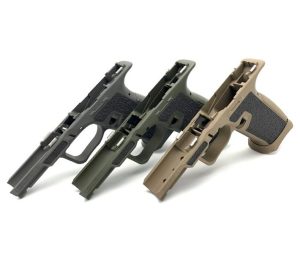
Complete Build Kits: Many manufacturers and retailers offer comprehensive firearm build kits that contain all or most of the components necessary to assemble a complete, functional weapon. These kits are popular among builders because they ensure component compatibility, eliminate the need to source individual parts from multiple suppliers, and often include detailed assembly instructions or video tutorials.According to industry sources and retailers like Gun Parts Store, several categories of build kits are available in the marketplace:
Complete Kits with Finished Receivers: These kits include every component necessary to build a firearm, including a finished, serialized frame or receiver. Because the finished frame or receiver is legally classified as a
firearm, these kits must be purchased through a Federal Firearms License holder, require a background check, and are subject to all regulations applicable to complete firearms. The primary advantage of these kits is that they require minimal additional work or specialized tools, as the most technically challenging component (the frame or receiver) is already completed.
80% Kits: These popular kits contain all necessary components to build a complete firearm, including an unfinished frame or receiver that is approximately 80% complete (hence the name). Because the frame or receiver is not yet finished to the point where it can function as part of a firearm, it is not legally classified as a firearm under federal law and can generally be purchased without a background check or FFL involvement (subject to state law variations).The remaining 20% of the manufacturing process is left to the builder, who must perform additional machining operations, including drilling holes for pins, milling out the fire control pocket, and other modifications necessary to make the frame or receiver functional. This work can be accomplished at home using drill presses, milling machines, router jigs, or specialized 80% jig systems designed to guide the builder through the process.The appeal of 80% kits lies in the combination of convenience (all parts are included and guaranteed to be compatible) and the ability to complete the firearm without background checks or serialization requirements under federal law. However, these kits require more technical skill, specialized tools, and time investment compared to kits with finished receivers.
Parts Kits Without Receivers: Some kits include all components necessary to build a firearm except the frame or receiver. Builders purchasing these kits must separately acquire a frame or receiver, either by purchasing a finished, serialized component through an FFL, purchasing an unfinished 80% component, or manufacturing the frame or receiver themselves through 3D printing, CNC machining, or traditional fabrication methods.
Individual Component Purchases: Instead of purchasing complete kits, some builders prefer to source individual components separately from various manufacturers, retailers, and suppliers. This approach offers maximum flexibility in terms of component selection, quality levels, and customization options, but requires more extensive knowledge of firearm design, component compatibility, and specifications.Gun Parts Store and similar retailers offer extensive inventories of individual firearm components, including barrels, triggers, slides, bolts, springs, pins, and countless other parts for virtually every popular firearm platform. This approach is particularly popular among experienced builders who are constructing custom firearms with specific performance characteristics or aesthetic preferences.
3D Printing Technology: The emergence of affordable, consumer-grade 3D printing technology has revolutionized the landscape of homemade firearms by enabling individuals to manufacture complex firearm components at home using plastic filaments and digital design files. Numerous firearm designs, component models, and complete weapon systems have been developed by the 3D printing community and are available for download through various online repositories and forums.However, it's critical to understand that creating a truly safe, functional, and legal firearm using 3D printing technology is not as simple as downloading a file and pressing "print." Successful 3D printed firearms require careful material selection, optimal print settings, post-processing techniques, and, most importantly, the integration of metal components for structural integrity, functionality, and legal compliance with detectability requirements.
Hybrid Approaches: Many builders employ hybrid approaches that combine 3D printed components with traditionally manufactured metal parts. For example, a builder might 3D print a frame or receiver while using commercially manufactured metal barrels, bolts, firing pins, and other critical components. This approach balances the customization and cost advantages of 3D printing with the strength, durability, and reliability of metal components.
Traditional Fabrication Methods: Before the advent of 3D printing and readily available component kits, gunsmiths and hobbyists manufactured firearms using traditional metalworking techniques, including milling, turning, drilling, welding, and heat treating. These methods require substantial skill, expensive equipment, and extensive knowledge of metallurgy, but can produce firearms of exceptional quality that rival or exceed commercially manufactured weapons.Some dedicated craftsmen continue to employ these traditional methods, viewing firearm construction as a form of artistic expression and skilled craftsmanship rather than simply a means to acquire a functional weapon.
Reliability and Longevity of 3D-Printed Firearms
A
3D-printed firearm is one that was manufactured wholly or partially using additive manufacturing technology (3D printing). These weapons are indeed operational and capable of firing ammunition, but their reliability, durability, and longevity vary dramatically compared to traditionally manufactured firearms or even ghost guns assembled from quality metal components.
Lifespan Variability: The operational lifespan of
3D-printed firearms can range from as few as a single round to several thousand rounds, depending on numerous interconnected factors. Firearms constructed primarily from plastic materials typically have significantly shorter lifespans than those incorporating substantial metal components. Variables affecting longevity include:
- The percentage of the firearm that was 3D printed versus manufactured from metal
- The specific firearm model and design (some designs distribute stress more effectively than others)
- The caliber and power level of ammunition used (higher-pressure cartridges cause more stress and wear)
- Print quality, including layer adhesion, infill density, and absence of defects
- Build quality and assembly precision
- CAD design optimization and engineering considerations
- Filament material selection (different plastics have vastly different strength and temperature resistance properties)
- Post-processing techniques, such as annealing, can significantly enhance the strength
- Environmental factors, including temperature, humidity, and UV exposure
- Usage patterns, maintenance practices, and storage conditions
Material Limitations: It's essential to understand that completely 3D-printed firearms, in which every single component is manufactured from plastic materials, are not viable long-term functional weapons according to technical analyses and real-world testing documented by industry publications and firearms testing organizations. At an absolute minimum, a metal barrel liner or tube is required to prevent catastrophic failure when the firearm is discharged.When a cartridge is fired, it generates extreme pressures (often exceeding 50,000 PSI for rifle cartridges) and temperatures (reaching several thousand degrees Fahrenheit). Plastic materials simply cannot withstand these forces repeatedly without degradation, deformation, or catastrophic failure. A plastic barrel will typically fail after very few shots, potentially causing serious injury to the shooter.Most functional 3D-printed firearms incorporate several metal components beyond just the barrel, including firing pins, springs, bolts or breech blocks, and structural reinforcements. These metal parts serve multiple purposes: they provide structural integrity in high-stress areas, enable proper mechanical function, extend the firearm's operational lifespan, and ensure compliance with federal detectability requirements under the Undetectable Firearms Act.
Technical Complexity: Creating a safe, functional
3D-printed firearm requires substantial technical knowledge spanning multiple disciplines, including mechanical engineering, materials science, firearms design principles, and 3D printing optimization techniques. It is not a simple matter of downloading a file and printing it without modifications or considerations.Successful builders must understand concepts such as stress distribution, material properties under dynamic loading, thermal management, pressure containment, and failure modes. They must optimize print settings, including layer height, infill patterns and density, print speed, temperature settings, and cooling parameters. Post-processing techniques such as annealing (controlled heating and cooling to relieve internal stresses and improve strength) can dramatically improve the strength and durability of printed components.The 3D-printed firearms community has developed increasingly sophisticated designs that incorporate engineering principles to maximize strength while minimizing material usage and print time. However, even the most advanced designs require careful execution and quality control to produce safe, functional results.
Comparison to Other Homemade Firearms: While 3D-printed firearms represent an innovative and evolving technology, it's important to maintain realistic expectations about their performance relative to other types of homemade firearms. Ghost guns assembled from quality metal or polymer components purchased from reputable manufacturers can approach or match the reliability and longevity of factory-produced firearms when carefully built to specifications by knowledgeable builders.However, even these higher-quality homemade weapons are not guaranteed to be as reliable as firearms assembled by professional manufacturers using industrial equipment, quality control processes, and rigorous testing protocols. The reliability of any homemade firearm depends critically on the quality of components used, the precision of assembly, the builder's technical knowledge and attention to detail, and adherence to proven designs and specifications.
Safety Considerations: The potential for malfunction, component failure, or catastrophic failure is inherently higher with homemade firearms compared to professionally manufactured weapons, particularly with 3D-printed designs. Malfunctions can range from minor issues like failure to feed or extract to dangerous failures such as case ruptures, barrel obstructions, or receiver failures that can cause serious injury.Anyone building or using a homemade firearm should take extensive safety precautions, including:
- Thoroughly researching proven designs and following established build procedures
- Using quality components from reputable suppliers
- Carefully inspecting all parts for defects, damage, or wear before assembly
- Following proper assembly procedures and torque specifications
- Conducting function checks and safety inspections before live firing
- Starting with low-pressure ammunition and gradually working up to full-power loads
- Wearing appropriate safety equipment, including eye and hearing protection
- Being prepared for potential malfunctions and knowing how to safely clear them
- Regularly inspecting the firearm for signs of wear, damage, or degradation
- Retiring components or complete firearms that show signs of excessive wear or damage
The bottom line is that homemade firearms, whether 3D-printed or assembled from purchased components, require substantial knowledge, careful attention to detail, quality components, and realistic expectations about performance and reliability. They should never be viewed as equivalent to professionally manufactured firearms in terms of reliability, safety, or longevity.
What Is a Ghost Gun? Your Complete Guide to Privately Made Firearms
Safety Considerations for Homemade Firearms
Beyond legal compliance, safety should be the paramount concern for anyone involved in manufacturing, possessing, or using homemade firearms. The potential consequences of firearm malfunctions or failures can be severe, including serious injury or death to the shooter or bystanders.
Design and Engineering Considerations: Safe firearm construction begins with selecting proven, well-engineered designs that have been tested and validated by the firearms community. Experimental or untested designs carry substantially higher risks of malfunction or failure. Reputable designs typically include detailed specifications, material requirements, and assembly instructions that should be followed meticulously.
Component Quality: The quality of components used in firearm construction directly impacts safety and reliability. Components from reputable manufacturers like those available through Gun Parts Store are manufactured to specific tolerances and material specifications designed to ensure safe operation. Substandard components, particularly critical parts like barrels, bolts, and fire control components, can fail catastrophically under the stresses of firing.
Proper Tools and Equipment: Attempting to manufacture or assemble firearms without appropriate tools and equipment increases the risk of errors, improper fit, and unsafe conditions. Precision measuring instruments, proper torque wrenches, and specialized gunsmithing tools are often necessary to ensure components are properly fitted and assembled to specifications.
Testing and Inspection: Before firing any homemade firearm with live ammunition, thorough function testing should be conducted using dummy rounds or snap caps to verify that all mechanical functions operate correctly. Visual inspection of all components, particularly high-stress areas, should be performed regularly to identify signs of wear, cracking, or deformation.Some builders employ progressive testing protocols, starting with reduced-power loads and gradually increasing to full-power ammunition while carefully inspecting the firearm after each firing session. This approach can help identify potential problems before they result in catastrophic failures.
Ongoing Maintenance: Homemade
firearms may require more frequent inspection and maintenance compared to factory-produced
weapons, particularly those incorporating 3D-printed components or operating at the limits of material capabilities. Regular cleaning, lubrication, and inspection for wear or damage are essential to maintaining safe operation.
Knowledge and Training: Perhaps most importantly, anyone building or using homemade firearms should possess substantial knowledge of firearm operation, safety principles, and proper handling techniques. Formal training from qualified instructors, extensive research, and mentorship from experienced builders can help prevent dangerous mistakes and unsafe practices.
Final Thoughts and Key Takeaways
Ghost guns, privately made firearms, or homemade weapons, regardless of the terminology used, represent a complex intersection of constitutional rights, technological innovation, public safety concerns, and evolving legal frameworks. Understanding this multifaceted topic requires moving beyond sensationalized headlines and political rhetoric to examine the facts, laws, and practical realities surrounding these firearms.
Legal Summary: At the federal level, manufacturing firearms for personal use is generally legal for individuals who are not prohibited from possessing firearms, provided that the weapons being manufactured are themselves legal to own and all applicable regulations are followed. However, this general permission is subject to numerous exceptions, restrictions, and requirements that vary based on the type of weapon being manufactured, the methods used, and the builder's location and legal status.Recent regulatory changes, particularly the 2022 ATF rule classifying finished frames and receivers as firearms, have significantly impacted the ghost gun landscape by requiring serialization, background checks, and FFL involvement for certain types of build kits and components. However, alternative manufacturing methods that do not involve purchasing finished frames or receivers remain available to builders willing to invest additional time, effort, and resources.State laws vary dramatically, with some jurisdictions imposing minimal additional restrictions beyond federal requirements while others have enacted comprehensive ghost gun regulations, including mandatory serialization, registration, and enhanced penalties. Anyone considering building a homemade firearm must research and comply with all applicable federal, state, and local laws, as violations can result in severe criminal penalties.
Technical Summary: Homemade firearms can be manufactured through various method,s including assembling purchased components, using build kits, 3D printing parts, or traditional fabrication techniques. The reliability, safety, and longevity of these weapons depend critically on the quality of components used, the precision of assembly, the builder's technical knowledge, and adherence to proven designs.While quality homemade firearms assembled from metal components can approach the reliability of factory-produced weapons, 3D-printed firearms typically have shorter lifespans and higher failure rates, particularly those constructed primarily from plastic materials. All homemade firearms carry inherently higher risks compared to professionally manufactured weapons and require realistic expectations, extensive safety precautions, and ongoing maintenance and inspection.
The Hobbyist Perspective: For many individuals, building firearms represents a rewarding hobby that combines mechanical skills, technical knowledge, and appreciation for firearms craftsmanship. The satisfaction of creating a functional weapon from individual components, the educational value of understanding firearm mechanics and operation, and the ability to customize weapons to specific preferences and requirements make firearm building an appealing pursuit for enthusiasts.Gun Parts Store supports the rights of law-abiding citizens to engage in this traditional American practice while emphasizing the critical importance of legal compliance, safety consciousness, and responsible ownership. Whether you're building your first firearm or you're an experienced gunsmith, we're committed to providing quality components, reliable information, and support for the firearms community.
Moving Forward Responsibly: If you're considering building a homemade firearm, approach the project with appropriate seriousness, respect for the legal framework, and commitment to safety. Take time to thoroughly research applicable laws at all levels of government, consult with legal professionals if you have any questions about compliance, invest in quality components from reputable suppliers, follow proven designs and assembly procedures, and never compromise on safety considerations.The firearms community has a collective responsibility to demonstrate that homemade firearms can be manufactured and used responsibly by law-abiding citizens. By prioritizing legal compliance, safety, and responsible ownership, we can preserve this traditional practice while addressing legitimate public safety concerns.
Resources and Support: Gun Parts Store is committed to supporting responsible firearm builders with quality components, reliable information, and exceptional customer service. Whether you're sourcing individual parts for a custom build, looking for a complete kit, or seeking advice on component compatibility and specifications, our knowledgeable team is here to assist you.Looking for a reliable, custom-fit holster for your completed build or any firearm in your collection? Visit our Holsters by
Gun Model page to find premium Kydex holsters precisely tailored to your specific firearm model. Not sure which holster configuration is right for your needs and carry preferences? Take advantage of our interactive comparison tool to view different holster models side-by-side and filter options by specific features, carry positions, and attachment methods.Additionally, explore our comprehensive Resources Page for expert gear recommendations, detailed concealed carry guides, state-specific legal information, maintenance tutorials, and exclusive content designed to elevate your entire carry system and enhance your knowledge as a responsible firearm owner.Remember: This article provides general information for educational purposes only and should not be construed as legal advice. Laws governing firearms are complex, subject to change, and vary by jurisdiction. Always consult applicable laws directly and consider seeking guidance from a qualified attorney before undertaking any firearm-related activities. Your safety and legal compliance are your personal responsibility.Gun Parts Store is your trusted partner for quality firearm components, expert advice, and support for the responsible firearms community. Build responsibly, shoot safely, and carry confidently.